

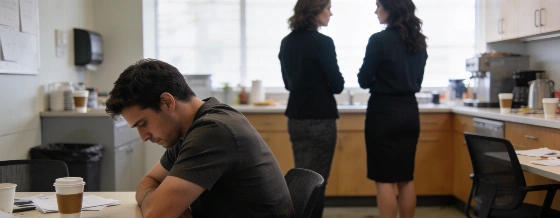
Struggling to trust again after a breakup shaped by family rejection? Learn how emotional wounds from early relationships can impact your ability to form new connections and what steps can help you recover
For some, the first serious relationship leaves a mark that lingers for years. That was the case for Alex, 24, who found himself shut out not just by his girlfriend, but by her mother’s open disapproval. The relationship started with promise, but as time passed, subtle slights from her family grew into a wall. His girlfriend never defended him. He stopped visiting her home. The idea of marriage faded under the weight of constant criticism. When the breakup finally came, it felt less like a choice and more like a collapse.
Afterward, Alex withdrew. He blamed himself, replayed every mistake, and lost interest in friends and dating. Three years later, he no longer missed his ex, but he still couldn’t imagine starting over. The need for connection remained, but the risk of being hurt again felt overwhelming. According to Psytheater.com, this pattern is common: early relationship trauma can shape how we approach intimacy for years, especially when family dynamics are involved.
Therapists who specialize in couples and family systems see this scenario often. When a partner’s family is hostile, it can erode self-worth and create a sense of isolation. The pain isn’t just about the breakup—it’s about feeling fundamentally unaccepted. Recovery starts with acknowledging the loss, but also with recognizing that the feelings of love, care, and tenderness you experienced were yours. The other person helped activate them, but those capacities remain within you.
One practical step is to write a letter of gratitude—not to send, but to clarify your own story. List what you learned, what you valued, and what you’re ready to leave behind. This exercise helps separate your identity from the relationship’s outcome. It’s also important to examine your own patterns. For Alex, provoking jealousy was a way to feel valued. Understanding the needs behind such behaviors can help you find healthier ways to meet them in the future.
Forgiveness is another key element, but it’s not about excusing past mistakes. It’s about letting go of self-blame and accepting that you were learning. Many people struggle with this step, especially if they’ve internalized criticism from others. In some cases, professional support is needed to break the cycle of rumination and self-doubt. As seen in stories like one mother’s struggle with a partner’s addiction and family pressure, the impact of family dynamics on personal well-being can be profound and long-lasting.
Research from the American Psychological Association shows that individuals who experience rejection from a partner’s family are at higher risk for symptoms of depression and social withdrawal. A 2022 study found that nearly 30% of young adults who reported family-driven breakups struggled to form new relationships within three years. These findings highlight the importance of addressing not just the loss of a partner, but the broader emotional fallout that can follow.
Attachment theory offers a framework for understanding why early wounds can make new relationships feel risky. People who have been rejected or criticized by significant others or their families may develop anxious or avoidant attachment styles, making it harder to trust or open up again. Therapy modalities such as emotionally focused therapy or cognitive behavioral approaches can help individuals process these experiences and build resilience for future connections.