

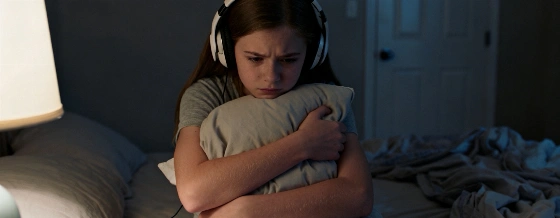
Teens who overhear their parents’ intimate moments can feel shock, anxiety, and shame—often unsure how to process the experience or seek support
It’s late. You’re awake in bed, scrolling or just staring at the ceiling, when you hear something you never wanted to hear: your parents having sex. For many teens, this moment lands like a punch—sudden, confusing, and deeply unsettling. The mind races. You might freeze, cry, or try to drown out the sounds with music. Sleep becomes impossible. The next day, the memory lingers, raw and intrusive.
According to Psytheater.com, this kind of accidental exposure is more common than most families admit. But the emotional fallout is rarely discussed. Teens often feel a mix of embarrassment, anger, and even guilt—wondering if they did something wrong by being awake, or if they’re supposed to be more “grown up” now. The sense of safety in your own room can feel shaken. Some teens start avoiding sleep, or only feel secure if a parent is nearby. Others replay the moment in their heads, unable to shake the discomfort.
Talking about it is hard. Many teens fear being misunderstood or blamed. When one girl finally told her mom what she’d heard, the response was clinical and dismissive: a quick explanation of where babies come from, a reference to her own childhood, and then a change of subject. No apology. No acknowledgment of the shock. The teen was left feeling even more isolated, her need for comfort unmet.
Psychologists say this reaction is typical. Parents may feel embarrassed or defensive, and default to rationalizing or minimizing the event. But for the teen, the real need is for reassurance: to hear that what happened wasn’t their fault, that their boundaries matter, and that the adults will be more careful. Without this, the experience can leave a residue of anxiety, shame, or even anger—emotions that are hard to process alone.
It’s not about the facts of sex. Most teens already know the basics. The distress comes from a sudden breach of privacy and the collapse of the child-parent boundary. The bedroom, once a safe zone, now feels exposed. The mind can start to link nighttime, parents, and fear—making it hard to relax or fall asleep. Over time, this can fuel sleep problems, intrusive thoughts, or even resentment toward parents.
So what helps? Experts recommend seeking support if the memories or anxiety persist. A therapist can help untangle the guilt and restore a sense of safety. Therapy isn’t about blaming parents or erasing the memory, but about breaking the mental loop that ties nighttime to dread. It’s also a space to process anger or sadness without judgment. For some, just hearing that their reaction is normal can be a relief.
In the meantime, it can help to reality-check the situation. Remind yourself: you are safe, even if the experience was upsetting. Your room is still your space. If you feel anger, let yourself acknowledge it—it’s a valid response to having your boundaries crossed. And if you’re not ready to talk to your parents again, that’s okay. Your feelings are real, and you deserve support.
For parents, the lesson is clear: privacy matters, and so does how you respond when boundaries are accidentally crossed. Acknowledging your child’s discomfort, apologizing, and promising to be more careful can go a long way toward healing the rupture. Silence or rationalization, on the other hand, can deepen the wound.
Therapy for teens often focuses on building emotional safety and restoring trust in their environment. Cognitive-behavioral approaches can help break the association between nighttime and anxiety, while somatic techniques address the physical tension that can linger after a shock. The goal isn’t to erase the memory, but to help the teen reclaim their sense of security and self-worth. With the right support, most teens can move past the experience and regain their footing.