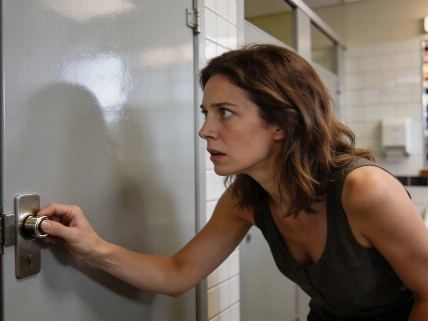

If you keep dreaming about being trapped in endless school hallways, your mind may be replaying old wounds that still shape your adult life
At 22, Emily finds herself haunted by the same nightmare: she’s lost in the endless corridors of her old high school, surrounded by zombie-like classmates. The dream is vivid, unsettling, and relentless. She wakes up anxious, her heart pounding, the images lingering long after sunrise. For Emily, these dreams aren’t just random—they echo a real history of feeling trapped, judged, and out of place during her school years.
Many adults carry scars from adolescence, but recurring nightmares like Emily’s can be a sign that those wounds haven’t fully healed. According to Psytheater.com, dreams often serve as a psychological language for what we haven’t processed in waking life. When the mind replays the same scenario—especially one rooted in fear or humiliation—it’s often trying to resolve unfinished business from the past.
Emily’s school experience was marked by harsh social divisions. There was a clear split between the so-called “elite” and everyone else. She remembers being mocked, excluded, and pressured to conform. Even as things improved in her later teens, the sense of being watched and judged never fully faded. That anxiety followed her into adulthood, shaping how she sees herself and how she relates to others. She still finds herself mimicking people she admires, copying their style or habits, hoping to fit in. Her dream of pursuing theater was dismissed by her parents as unrealistic, and she internalized their skepticism, shelving her own ambitions in favor of what was considered “normal.”
Nightmares like Emily’s are rarely just about the past. They often reflect current struggles—feeling stuck, pressured by others’ expectations, or unable to express your true self. The endless hallways and zombie classmates are symbols: the corridors represent a maze of outside opinions, while the zombies echo the feeling of being surrounded by people who judge but don’t truly see you. The horror-movie atmosphere isn’t just for show; it’s a stand-in for the real fear of never escaping these patterns.
Therapists often encourage clients to look for connections between their dreams and their daily lives. Are you still living by someone else’s rules? Do you feel boxed in by old labels or fears? Is there a part of you that’s still waiting for permission to be yourself? These are the questions that matter more than the dream’s surface details. Sometimes, the mind keeps returning to the same nightmare because it’s waiting for you to take a new action in waking life.
Moving forward means facing what was lost—time, opportunities, self-belief—and letting yourself grieve those losses. It means forgiving yourself for choices you made under pressure, and recognizing that you can’t change the past, but you can choose what happens next. Taking ownership of your present, even in small ways, can start to shift the dream. For some, that means working with a therapist to process old pain. For others, it’s about making a single real-world decision that breaks the old pattern.
Nightmares can also be a sign of anxiety or stress that’s building up in the body. Simple grounding techniques, like the breathing method described in this guide to calming anxiety quickly, can help reduce the intensity of these dreams and make it easier to face what they’re trying to tell you.
Recurring dreams about school are common, but when they take on a nightmarish quality and refuse to fade, it’s worth paying attention. They’re not just random firings of the brain—they’re signals that something inside still needs care, attention, and maybe a new direction.
Nightmares and recurring dreams are a frequent topic in therapy, especially for those with a history of trauma or chronic stress. While not every bad dream points to a mental health disorder, persistent nightmares can be a sign of unresolved emotional conflict. Cognitive behavioral therapy, trauma-focused approaches, and even simple lifestyle changes can help reduce their frequency and impact. Understanding the meaning behind your dreams—and taking steps to address the underlying issues—can be a powerful part of healing.