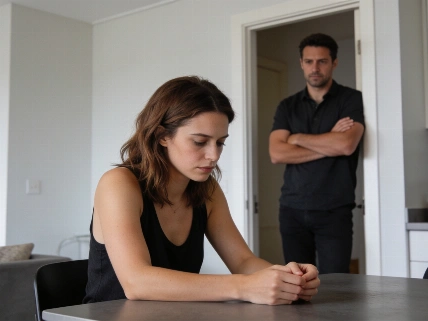
Brushing off your own pain with 'others have it worse' may signal old emotional wounds and make it harder to seek support or set boundaries
“It’s not that bad, others have it worse.” Most of us have said it, or at least thought it, when life gets rough. The phrase sounds harmless—maybe even healthy. But psychologists are now warning that this reflex to downplay our own pain can be a sign of something deeper: a learned habit of emotional self-erasure that often starts in childhood.
According to Marie France, mental health experts see this phrase as more than just a coping tool. It’s a way of invalidating your own feelings, especially if it becomes your go-to response no matter the situation. For many, it’s a script learned early—sometimes in homes where emotional needs were minimized or ignored. Children who grew up without enough support often survive by shrinking their own pain, teaching themselves not to expect comfort or recognition.
By adulthood, this pattern can morph into chronic people-pleasing, apologizing for minor things, or avoiding conflict at all costs. It’s not just about humility. It’s about a persistent sense of not deserving care, affection, or even basic acknowledgment. Psychologists describe clients who bend over backward for others, yet struggle to accept praise or kindness. They might say, “I’m not good enough,” or “I don’t deserve this,” echoing a core belief that their needs are less important than everyone else’s.
Everyday triggers—a certain smell, a stray comment, even a familiar sound—can reactivate these old wounds. Suddenly, the body tenses, the mind races, and the old phrase slips out: “It’s not that bad, others have it worse.” It’s a shield, but one that keeps real healing at bay. As Marie France reports, these moments don’t mean someone has a diagnosable trauma disorder, but they do suggest that past hurts are still shaping present reactions. The real risk comes when this habit blocks people from asking for help, setting limits, or even admitting they’re struggling.
There are ways to break the cycle. Swapping out the old phrase for something more honest—like “My feelings are real, even if others struggle too,” or “I have the right to be affected”—can help. It’s not about wallowing, but about giving yourself permission to feel and to seek support before things spiral. For those supporting a loved one stuck in this pattern, the key is not to pile on more invalidation. Instead, listen, encourage them to name their emotions, and highlight their strengths. Avoid responses like “others have it worse”—they only reinforce the old wound.
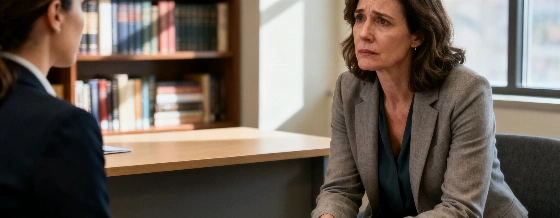
When emotional pain lingers, disrupts sleep, work, or relationships, it’s time to consider professional help. Therapy can help people identify the strengths that got them this far, process difficult memories without retraumatizing, and learn to take ownership of their story—without minimizing it. As some experts have noted, even habits like brushing off compliments or over-thanking can point to the same root: a struggle to accept care and recognition.
Emotional invalidation is a subtle but powerful force. It can shape how we see ourselves, how we relate to others, and how we move through the world. Recognizing the pattern is the first step. Changing it takes time, support, and a willingness to believe that your pain—and your healing—matter.
One area that often comes up in therapy is the concept of emotional boundaries. Learning to set and maintain boundaries isn’t just about saying no; it’s about recognizing your own needs as valid, even when old habits urge you to minimize or dismiss them. Building this skill can transform relationships and help break cycles of self-neglect that started long before adulthood.