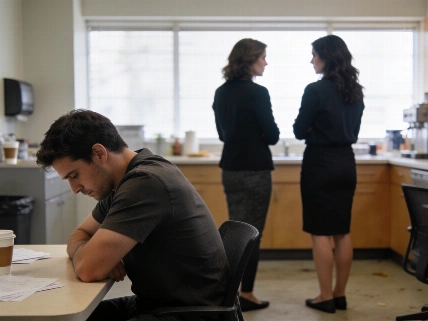

If you find yourself replaying painful moments over and over, research suggests two personality traits may be driving this mental loop—one linked to stress sensitivity, the other to social withdrawal
The day is finally over. You’ve finished the chores, turned off the lights, and settled into bed, hoping for rest. But instead of sleep, your mind replays the worst moments of your life—awkward arguments, family blowups, failed meetings, and every regret you wish you could forget. For many, this nightly mental rerun isn’t just a bad habit. It’s a pattern rooted in personality.
According to research published in the journal Emotion, people who habitually ruminate on negative memories tend to share two key personality traits: neuroticism and introversion. Neuroticism, sometimes called emotional instability, describes a tendency to experience negative emotions—anxiety, guilt, irritability, sadness—more intensely and more often than most. People high in neuroticism are also more vulnerable to daily stress and frustration, making it harder to let go of painful experiences.
Introversion, the second trait, is less about shyness and more about how a person recharges. Introverts prefer solitude or quiet environments and often wait for others to initiate conversation. They may process emotions internally, which can make it easier for negative thoughts to spiral unchecked. When neuroticism and introversion combine, the result is a mind that not only feels stress deeply but also tends to dwell on it in isolation.
Researchers found that this combination is especially common among women. Women with high levels of both traits were more likely to relive difficult moments and reported a greater impact on their mental health. The study’s authors suggest this may help explain why women are statistically more vulnerable to certain mood and anxiety disorders. As Emotion reports, the interplay between personality and memory can shape not just how we feel, but how we cope—or fail to cope—with life’s setbacks.
It’s important to note that rumination isn’t the same as clinical depression or anxiety, but it can increase risk for both. Persistent negative thinking can erode self-esteem, disrupt sleep, and make it harder to recover from setbacks. For those who recognize this pattern in themselves, small changes—like structured reflection, therapy, or even shifting how you support others—can help. For example, learning to avoid automatic phrases like “I understand” and instead offering more genuine support can make a difference, as discussed in this guide to supporting someone in distress.
According to Psytheater.com, understanding your own personality style is a first step toward breaking the cycle. While you can’t change your core temperament, you can learn to recognize when rumination is taking over and practice strategies to redirect your focus. If negative memories are interfering with daily life, reaching out to a mental health professional can provide tools for managing stress and building resilience.
In the field of personality psychology, neuroticism and introversion are two of the “Big Five” traits that shape how people experience the world. Studies show that high neuroticism is linked to increased risk for anxiety and depressive disorders, while introversion can influence how people process and express emotions. The combination of these traits doesn’t guarantee mental health problems, but it does highlight the importance of self-awareness and targeted coping strategies for those who struggle with persistent negative thinking.