
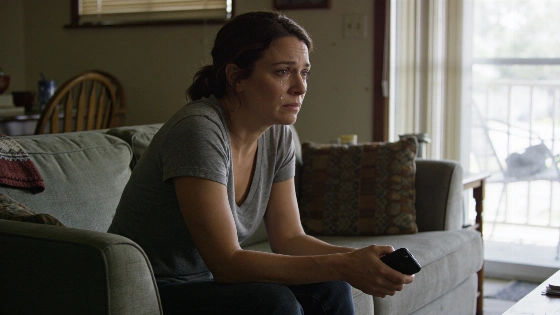
When a partner vanishes without warning and ends things by text, the shock can trigger grief, confusion, and self-doubt. Here’s how to process the pain and move forward
Three months into a relationship, everything seemed to be moving in the right direction. Daily texts, regular dates, no major arguments—just a sense of ease and mutual understanding. Then, without warning, he left town to visit family and children from a previous marriage. For a while, the connection held. Then the messages stopped. Calls went unanswered. Ten days of silence later, a single text arrived: an apology, and a blunt end to the relationship. No explanation. No closure. Just a digital goodbye.
This kind of sudden, unexplained breakup can leave a person reeling. The loss isn’t just about the relationship itself, but about the abrupt erasure of a future you’d started to imagine. According to Psytheater.com, the pain is often compounded by the lack of answers—by the sense that you’ve been left in the dark, forced to fill in the blanks yourself. The mind cycles through every detail, searching for clues, replaying conversations, wondering what you missed.
It’s common to blame yourself, to wonder if you did something wrong or missed a warning sign. But the truth is, when someone chooses to disappear rather than communicate, it says more about their emotional readiness than about your worth. People who are able to handle real intimacy don’t vanish for days and then end things by text. They don’t leave their partners in a state of confusion and pain. The urge to demand answers is strong, but even if you got them, would they really help? Often, the only explanation is that the other person wasn’t capable of showing up in the way you needed.
Grieving a relationship that ended without warning is a unique kind of pain. The nervous system reacts as if to a shock—tears, anger, numbness, even physical symptoms. It’s normal to feel stuck, to replay the story, to hope for a message that never comes. One way to process these feelings is to write a letter you never send. Pour out the anger, the sadness, the questions. Then destroy it. The act isn’t about getting a response; it’s about giving your emotions somewhere to go.
Letting go means accepting that you may never get the closure you want. It means recognizing that the other person’s silence is, in itself, an answer. Someone who truly values you doesn’t disappear. Someone who’s ready for a relationship doesn’t leave you guessing. The hardest part is turning away from the hope that they’ll come back with an explanation. Delete the chat. Stop checking their online status. Each small act is a step toward reclaiming your own life.
Rebuilding after this kind of loss is slow. It helps to reconnect with friends, to return to routines that made you feel like yourself before the relationship. Allow yourself to remember the good parts without shame. Loving someone, even briefly, is not a mistake. It’s proof that you’re capable of connection. The goal isn’t to erase the past, but to stop waiting for it to return. As you move forward, you may find comfort in knowing that others have faced similar heartbreak. For example, stories of partners who suddenly withdraw or claim they no longer love you, as explored in this analysis of marital breakdowns, reveal just how common—and devastating—these abrupt endings can be.
Sudden breakups can trigger a cascade of emotional responses, from sadness and anger to anxiety and self-doubt. In therapy, these experiences are often explored through the lens of attachment styles and emotional boundaries. Understanding your own patterns—why you may be drawn to emotionally unavailable partners, or why you struggle to let go—can be a powerful step toward healing. While closure from the other person may never come, self-compassion and support from trusted friends or a mental health professional can help you process the loss and rebuild your sense of self.
- Psychological Support
- Emotions in Life
- Emotional Dependency
- Love Marriage Loneliness and Relationship Psychology for Adults
- How to Cope When Divorce or Separation Cannot Be Avoided
- Loneliness Support and Emotional Connection for Adults
- Resentment Psychology and How to Process Hurt Feelings
- Relationship Concepts
- Grief Reactions
- Attachment Styles
- Breakup Recovery
- Emotional Dependency
- Women