
Resentment Psychology and How to Process Hurt Feelings
5 articlesGood articles should help readers separate the signal from the story: what was hurt, what boundary was crossed, what request was never made, and what repair is possible. Content can address forgiveness myths, communication, grief, self-protection, and letting go without denying harm.
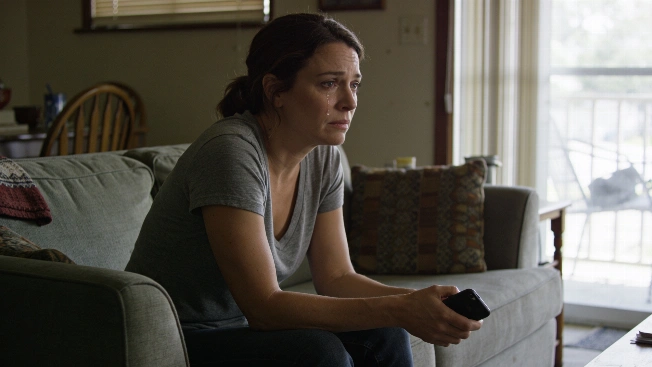
He Disappeared for 10 Days, Then Ended It by Text
When a partner vanishes without warning and ends things by text, the shock can trigger grief, confusion, and self-doubt. Here’s how to process the pain and move forward

When You Start Picking Fights With Your Partner for No Clear Reason
If you find yourself nitpicking your partner’s words or motives, it may be less about them and more about old wounds, fear of being dismissed, or patterns you learned long before this relationship

How a Missed Call Ended a Decade-Long Friendship
A single unreturned call triggered years of silence between two close friends. When one finally reached out, old wounds surfaced instead of closure, exposing the hidden patterns that can quietly erode even the strongest bonds

Some People Never Apologize—Here’s What’s Really Behind That Wall
When someone refuses to say sorry, it can fracture trust and fuel resentment in any relationship

When His Mother Always Comes First: The Hidden Strain of Being Second in Your Relationship
Feeling sidelined by your partner’s loyalty to his family can erode trust and self-worth