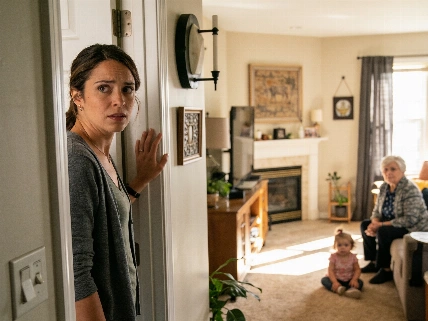


Six weeks after a tense argument, a father still visits his wife and their 10-year-old daughter. His affection has not eased the girl’s sense that he left her behind.
Her father’s visits include hugs and gifts, yet the 10-year-old often retreats to her room.
Her parents have lived apart for a month and a half. Her father still provides money and tries to spend time with her. He visits, hugs her and brings gifts. Those acts of care matter, but they have not erased the shock of a parent no longer living at home. The girl also sees her mother cry and reads her father’s move as proof that he no longer loves her.
A publication by Iran’s ISNA describes possible emotional instability, changes in housing or school, and disruption to familiar social ties for children after parents separate. It does not provide primary statistical measures that can be applied to this family.
Her mother is 36 and wants her husband back, but she is trying not to push him. He is 40. He has said he has not decided what comes next. The family has no clear plan, and the child has no answer she can rely on.
The girl’s hurt should not be argued away. Her mother can tell her the separation is an adult decision and not her fault, while making clear that her sadness and anger make sense. Reassurance that both parents love her may help. Pressing her to accept it can leave her feeling unheard.
Her mother should not press her to talk to her dad. She can offer a short visit or a call, and let the girl choose what feels easier. A park visit is another option. A practical guide from Riss Mediation stresses predictable schedules, consistent rules across two homes and less conflict between parents.
Riss Mediation says children may adjust more easily when time in each home follows a predictable schedule, rules are consistent and conflict between parents is reduced. This is general practical guidance, not an assessment of this family.
The distance began before the move. Her husband first asked to live apart, then shut down when his wife asked why. He worked more, and his schedule meant he could go two days without seeing their daughter. He came home after she was asleep and left before she woke. Arguments grew. One night he did not come home. His wife, distressed, told him to leave, and he did.
Those details do not establish why he withdrew. A midlife crisis is one possible explanation, not a fact confirmed by the account. His work schedule and silence point to a serious rupture, but they do not show what he will decide or whether he will return. The available results contain no official statements confirming his reasons or intentions. They also offer no verified updates about reconciliation, divorce, court decisions or changes to contact arrangements. A related parenting after a split account also focuses on staying present for a child while a marriage is in doubt.
After spending nearly half her life with her husband, the mother’s grief and fear are understandable. She does not have to force herself to let go today. But she needs support beyond her daughter. A trusted friend or counselor can give her room to cry and think without making the child her main source of comfort. If the strain disrupts her sleep or daily care, speaking with a mental health professional is a practical next step, not a sign of failure.
Children need honest words more than a promise that the family will return to how it was. Adults can say what they know, admit what remains uncertain and keep routines as steady as possible. The child may not want contact now and may feel differently later; neither response is a verdict on either parent. Specific medical or psychological conclusions about this 10-year-old cannot be confirmed from the available information. The search results also did not include guidance from the American Academy of Pediatrics or government recommendations for this situation.
When parents live apart, the change keeps surfacing in daily life: who is home at night, when a visit will happen and what the next week looks like. Calm, specific answers can help more than broad promises. The UK government says some Department for Work and Pensions statistical series on children and families have been discontinued, including a measure concerning children affected by parental conflict. Those figures cannot assess this family or its current circumstances, as explained on the DWP statistics page.