
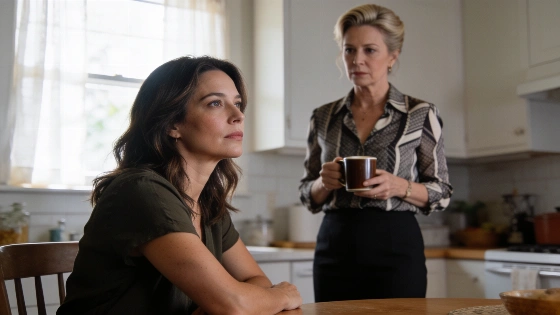
Small, often unnoticed behaviors from grown children can leave parents feeling dismissed or hurt. These patterns, if left unchecked, can quietly erode trust and warmth in the family dynamic
As children become adults, the parent-child relationship is supposed to shift into something more equal. But for many families, that transition is rocky. Parents often report feeling sidelined or diminished by their grown kids’ words and actions—sometimes over things that seem trivial on the surface. According to Psytheater.com, these misunderstandings rarely come from malice, but the emotional fallout is real.
Research shows that even minor slights, repeated over time, can weigh heavily on parents. A national survey found that 14% of Americans ages 18 to 24 experience frequent tension with at least one parent. The message parents hear, whether intended or not, is often: “You don’t matter anymore.”
Social validation plays a powerful role here. When adult children brush off their parents’ stories or advice, it’s not just a difference of opinion—it can feel like a denial of their identity as parents. Studies in aging psychology have linked strong family support to better cognitive and physical health as people grow older. Chronic tension, on the other hand, breeds stress and isolation, making it harder for both generations to thrive.
Patterns That Hurt
Most adult children don’t set out to disrespect their parents. But certain habits, especially when they become routine, can send a message of disregard. Here are 11 behaviors that parents often interpret as disrespect—even if their kids don’t realize it:
- Dismissing advice with a quick “I know” or a sigh, which can make parents feel useless.
- Saying “You wouldn’t understand, it was a different time,” which erases their lived experience.
- Mocking their clothing, eating habits, or tech skills, leaving them feeling infantilized.
- Forgetting birthdays, Mother’s Day, or Father’s Day, which can feel like proof they no longer matter.
- Rarely making time, responding curtly to texts, or dodging calls, which signals that contact is a chore.
- Bringing up old mistakes again and again, trapping everyone in old roles of blame or guilt.
- Comparing them to other parents (“X’s parents pay for everything”), which stings their self-worth.
- Neglecting to say thank you after a meal, financial help, or a favor, reinforcing a sense of being taken for granted.
- Ignoring family traditions without discussion—like skipping holidays or rituals—can feel like a rejection of family history.
- Laughing at their quirks or habits, especially in front of others, which can be humiliating even if meant as a joke.
- Overlooking their changing physical or emotional limits, as if age hasn’t changed their needs.
Why It Cuts Deep
For parents, these moments add up. Each one chips away at their sense of belonging and value. The pain isn’t just about etiquette—it’s about identity, legacy, and the desire to remain connected. When adult children minimize or mock, parents may feel invisible. Over time, this can lead to withdrawal, resentment, or even estrangement.
Some adults do need to set boundaries with parents who are truly toxic or harmful. In those cases, distance is a form of self-protection. But even then, there’s a difference between healthy boundaries and outright contempt. As therapist Diane Barth notes, holding onto old grudges can freeze relationships in place, making repair impossible.
Repair starts with small, intentional gestures. Instead of accusing (“You always…”), try sharing impact (“When this happens, I feel…”). Social psychologist Sara Algoe’s research on gratitude highlights how even a brief thank-you or a thoughtful question about a parent’s health can restore a sense of respect—without sacrificing autonomy.
Finding a New Balance
Family relationships are rarely simple. The push for independence can clash with a parent’s longing for connection. Sometimes, the smallest actions—like skipping a call or rolling your eyes—carry more weight than we realize. Recognizing these patterns is the first step toward change.
In some families, these tensions can echo across generations. For example, the way parents and teens navigate emotional distance can shape how those teens relate to their own parents as adults. In one case, a mother worried about her daughter’s social withdrawal and attachment to childhood objects—a dynamic explored in this article on teens struggling with connection. The emotional habits we form early often resurface later, sometimes in subtle but powerful ways.
Ultimately, respect in adult family life isn’t about grand gestures. It’s about noticing the small things, staying curious about each other’s needs, and being willing to adjust. A single message of appreciation or a question about a parent’s day can go further than we think.
Family therapy offers a structured way to address these patterns. Unlike individual therapy, family sessions focus on the system as a whole—how each person’s behavior affects the others, and how old roles can be renegotiated. Therapists help families identify unspoken rules, clarify boundaries, and practice new ways of relating. Even a few sessions can shift the dynamic, making space for both autonomy and connection.
- Psychological Support
- Emotions in Life
- Recurring Family Patterns and Generational Scripts
- Family Relationship Psychology for Couples Parents and Children
- Adult Children Parents Separation Boundaries and Elder Care
- Emotional States
- Family and Development
- Behavioral and Habit Patterns
- Boundaries
- Family Roles
- Adult Children and Parents
- Parents
- Young Adults