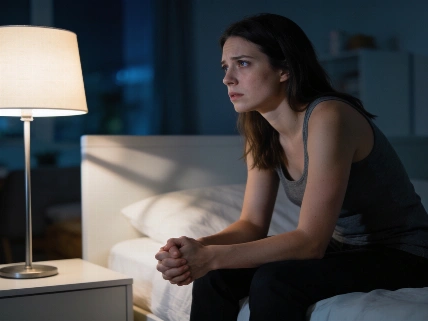

A woman faces her boyfriend's growing obsession with online gaming and a virtual connection
Two years into living together, Anna thought she and her boyfriend had built something solid—love, passion, and a sense of partnership. But lately, the dynamic has shifted. He spends hours at his computer, lost in online games and chatrooms, often with other women. The intimacy remains, but their shared time has shrunk to almost nothing. Anna feels the chill of emotional distance, even as they occupy the same space.
She tried to rationalize the change. Every couple, she reasoned, moves from the early “we” to a more independent “I.” But one online friendship stood out. Her boyfriend’s conversations with a particular woman became constant. When Anna checked his social media, her fears were confirmed: he was fixated, even planning a trip across the country to meet this woman in person. Confronted, he denied everything until Anna calmly laid out what she’d found. His response was frustration—not at his own behavior, but at her for looking.
Since then, communication has nearly stopped. He continues his online relationship, insisting he still loves Anna, but his actions tell a different story. There’s no financial dependency—he could leave if he wanted, and Anna isn’t playing the caretaker. She suspects boredom and routine are at the root, with his job giving him long stretches of free time and little to do in their small town. She forgave him, seeing the online affair as a fleeting distraction, but the emotional fallout lingers.
Anna doesn’t want to break up, but she’s stuck in limbo, waiting for his interest in the other woman to fade. She’s tried to distract herself with hobbies, but nothing sticks. Depression has set in—she can’t sleep, barely eats, and feels isolated even among friends and family. She avoids talking about it, not wanting to face black-and-white advice or pity. The question gnaws at her: how do you survive being ignored by someone who’s physically present but emotionally gone?
According to Psytheater.com, Anna’s experience is far from rare. When a partner withdraws into digital worlds or emotional affairs, the impact can be profound. The first step, experts say, is to focus on your own physical health—eat, sleep, and maintain a routine, even when it feels forced. Stress and emotional pain can quickly erode well-being, so self-care isn’t optional.
It’s also crucial to recognize what you can and can’t control. You can’t dictate your partner’s choices or feelings. What you can do is communicate—without blame—how his actions affect you. Describe your emotions and needs clearly, and ask for the changes you hope to see. This isn’t about ultimatums, but about honesty and boundaries. If he continues to ignore your feelings, it’s time to consider what that means for your future together. Are you willing to stay with someone who maintains an emotional connection with another woman, even as he claims to love you?
Don’t look for excuses on his behalf. Adults are responsible for their own behavior. Consider where your own boundaries lie—what you’re willing to tolerate, and what crosses the line. Remember, your health and happiness are your responsibility. Seek support from friends, even if you don’t want to discuss every detail. You’re not alone, and you don’t have to carry the burden in silence.
Anna’s story is a reminder that emotional neglect can be as painful as outright betrayal. The path forward isn’t always clear, but it starts with caring for yourself and refusing to accept less than you deserve.
Emotional affairs and digital escapism are increasingly common in relationships, especially as technology blurs the lines between connection and distraction. Therapists often see clients struggling with partners who retreat into online worlds, leaving them feeling invisible. Treatment focuses on rebuilding communication, clarifying boundaries, and sometimes, redefining what intimacy means in a digital age. Couples therapy can help, but only if both partners are willing to engage. For those left waiting, prioritizing self-care and seeking outside support are essential steps toward healing.