
Some women adopt dominant, forceful roles in relationships, often sidelining men and shaping their daughters’ sense of self. This pattern can disrupt family dynamics and emotional development
In everyday language, people often use “penis” and “phallus” as if they mean the same thing. But in psychology, the difference matters. The penis is a physical organ. The phallus, by contrast, is a symbol—of power, authority, and potential. It’s not about anatomy, but about who holds sway in a relationship or family.
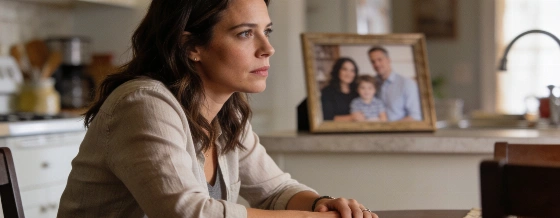
Some women, according to sources at Psytheater, embody what’s called the “phallic woman.” This isn’t about gender identity or sexual orientation. It’s about a woman who takes on the symbolic phallus—claiming power, control, and dominance in ways that can overshadow or even erase the role of men in her life. These women are often decisive, assertive, and successful, sometimes out-earning or out-ranking their male partners. In many cases, they don’t see a need for a man at all, and men who do stay in their orbit tend to accept a subordinate role, sometimes seeking escape or compensation elsewhere.
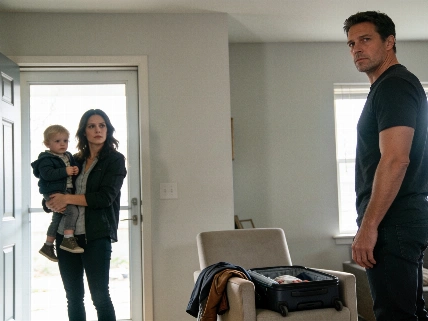
The roots of this pattern often trace back to childhood. When a girl grows up with a mother who occupies both parental roles—mother and father—she may struggle to develop her own sense of femininity. If the father is absent, either physically or emotionally, the mother becomes the sole object of attachment. The daughter, unable to separate from this powerful maternal figure, may internalize the idea that strength and control are the only ways to survive or be valued. The father’s absence isn’t just a missing person; it’s a missing model for how men and women can relate as equals.
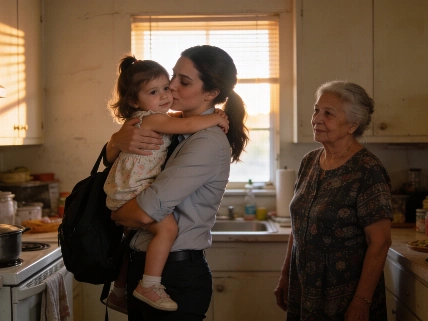
Family stories can reinforce this dynamic. In one clinical example, a woman named Emily (name changed) described feeling constant anger and confusion about her desires. In therapy, she created a clay figure of herself as a child, adding a red cap—a nod to Little Red Riding Hood. In her story, she shuttled between her mother and grandmother, trying to connect them, but always failing. The older women expected love and gifts from the younger, reversing the natural flow of care from elders to children. Men were present in the family history, but their influence was minimized or dismissed. Over time, Emily felt she had to “build” her own phallus, piecing together scraps of masculinity from the men she knew, because the women in her family had learned to distrust or despise men after a betrayal generations earlier.
Therapy helped Emily see that she didn’t need to carry this symbolic phallus. She could let go of the burden of being both mother and father, and instead use her energy to build real connections—with herself, with women, and with men. The process was slow and painful, but ultimately allowed her to find her own place in the family system, no longer trapped in a cycle of competition and compensation.
Phallic women often unconsciously undermine their male partners, competing with them and symbolically “taking” their power. Daughters of such mothers may repeat the pattern, amplifying masculine traits and struggling to form balanced relationships. These cycles are often rooted in unresolved trauma, family secrets, and inherited resentment toward men. Recognizing the pattern is the first step toward change. Only what is seen and accepted can be transformed.
Recent research in family psychology highlights the long-term effects of parental role confusion and emotional enmeshment. Studies published in the Journal of Family Psychology show that children raised in households where one parent dominates both roles are at higher risk for identity confusion, relational anxiety, and difficulties with emotional boundaries. According to the American Psychological Association, effective therapy for these patterns often involves family systems work, helping clients untangle inherited roles and build healthier, more flexible identities.
Family systems therapy is a widely used approach for addressing intergenerational patterns like those described here. This method focuses on the roles, boundaries, and emotional dynamics within families, aiming to help individuals understand how past relationships shape present behavior. By mapping out family histories and exploring unspoken rules, therapists can guide clients toward more adaptive ways of relating—both within their families and in the wider world.