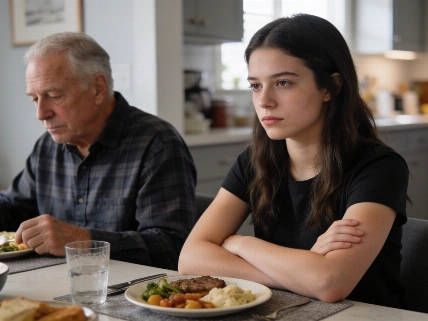

After emotional betrayal and neglect in a previous relationship, one young woman finds herself unable to feel anything for a caring new partner. Experts explain why trauma can numb attraction and what actually helps
The moment she agreed to date him, her chest tightened so much she could barely breathe. Here was a man who cared for her and wanted a future together. All she felt was a hollow ache and the urge to run. No matter how hard she tried to make herself feel something—anything—her heart stayed locked behind a wall she couldn’t lower.
This isn’t unusual. Many people who have lived through emotionally abusive or neglectful relationships end up feeling numb or even put off by new partners who treat them well. It’s a harsh paradox: after years of being ignored, blamed, or betrayed, the mind and body start to expect pain, not safety. When real care finally shows up, it can feel strange or even threatening.
Research from the National Institute of Mental Health shows that trauma can disrupt the brain’s reward system, making it difficult for survivors to experience pleasure or connection in new relationships.
In her case, the previous relationship left deep scars. She was manipulated, blamed for everything that went wrong, and eventually cheated on. The worst pain didn’t come with the infidelity—it hit when she was left alone. Three years later, every new connection feels flat. Even with a boyfriend who is kind and attentive, she feels only guilt and self-doubt.
Trauma’s hidden aftershocks
This isn’t about being ungrateful or flawed. It’s a classic trauma response. When someone is hurt again and again in close relationships, their nervous system adapts to survive. Emotional numbness, or anhedonia, becomes a shield against more pain. The body learns to shut down hope and desire, because those feelings once led to heartbreak.
Trying to force feelings—telling yourself to "just open up" or "let him in"—usually backfires. It’s a kind of self-pressure that echoes the emotional harm of the past. Instead of healing, it deepens the sense of distance. The guilt that follows ("Why can’t I love this good person?") only makes things worse.
A 2022 study published in the Journal of Traumatic Stress found that individuals with a history of relationship trauma are significantly more likely to experience emotional blunting and difficulty forming new attachments, even years after the original events.
Psytheater.com notes that even the most caring partner can’t override the body’s learned defenses. Chemistry isn’t just about kindness or compatibility; it’s also about unconscious signals—voice, scent, micro-expressions—that spark attraction or aversion. If the body says no, pushing ahead can feel like another violation.
What actually helps
So what helps? The first step is to stop demanding instant change. Instead of searching for the "right" feelings, give yourself permission to just be. Build a friendship with the new partner, without rushing into intimacy or commitment. A few months of low-pressure connection can show whether warmth grows—or if the lack of attraction means it’s time to move on.
Keep a journal after each meeting. Notice if you feel energized or relieved when you part. Are you drawn to the person, or just to the comfort of being wanted? If you only miss the attention, not the individual, that’s important to recognize.
Sometimes, love doesn’t arrive as fireworks. It can start as a quiet sense of ease or comfort in someone’s presence. But if, after honest reflection, there’s only numbness or relief at their absence, it may be time for both people to look elsewhere. Forcing yourself to stay isn’t kindness—it’s self-abandonment.
Letting go of the "good person" trap
Many trauma survivors hold on to partners who treat them well out of fear they’ll never find another "good one." But staying out of guilt or obligation is unfair to both people. The healthiest relationships are built on real attraction and mutual desire, not just gratitude for being rescued from the past.
It’s easy to hope that the right person can heal old wounds. In reality, healing is something you do for yourself. A supportive partner can help, but only if you can meet them as you are—not as a project to be fixed. Sometimes, the bravest thing is to walk away from someone who seems perfect on paper but leaves your heart unmoved.
For those facing similar struggles, as reported earlier, the work isn’t about forcing feelings or settling for "good enough." It’s about learning to trust your own signals, even when they don’t seem logical. The right relationship won’t require you to betray yourself.
Attachment wounds run deep, but they aren’t destiny. With patience, self-compassion, and sometimes professional help, it’s possible to feel again. But the first step is always the same: stop trying to manufacture love where there’s only emptiness. Let yourself grieve what was lost, and trust that real connection can’t be forced. Waiting for genuine warmth is the only way out of the cycle of self-betrayal.
Cognitive behavioral therapy (CBT) is one of the most effective ways to address trauma-related numbness and relationship avoidance. CBT helps people challenge distorted beliefs about safety, trust, and self-worth, and can gradually restore the ability to connect. For some, somatic therapies that focus on body awareness and calming the nervous system are also important. Healing isn’t a straight line, but with the right support, even the most guarded heart can learn to feel safe again.