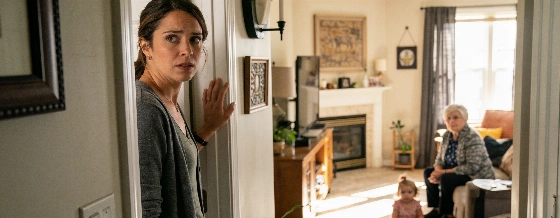
A mother’s fear of leaving her toddler with family reveals how anxiety can hijack daily life and relationships. Experts explain why hypervigilance grows and how to break the cycle without guilt
For some parents, even leaving a child with trusted family members brings a knot of dread that won’t go away. The fear isn’t just about what could happen to the child. It’s about not being there to stop something from going wrong, and the guilt that follows even a short separation.
Many mothers, especially in the first year, find this anxiety becomes a constant background noise. The mind jumps to worst-case scenarios, always on the lookout for threats that rarely appear. Checking in, hovering, and staying alert become habits that are hard to break. Each time you give in—calling every few minutes, watching every move—the anxiety tightens its grip.
According to CDC PRAMS data, about 1 in 8 mothers in the U.S. experience symptoms of postpartum depression, which can begin during pregnancy and last up to a year after childbirth.
What’s really at stake isn’t just the child’s safety. It’s the parent’s sense of control. The belief that only constant vigilance can keep disaster away is tempting but exhausting. Over time, this hypervigilance can erode trust in others, strain marriages, and leave mothers feeling isolated and worn out. The cycle feeds itself: the more you avoid leaving, the stronger the anxiety gets, and the world outside your watch feels less safe.
Root causes
Clinical psychologists say this pattern often has deep roots. Sometimes it starts after a difficult pregnancy, a traumatic birth, or a medical scare in the child’s early months. For others, it echoes old experiences—childhood loss, unpredictability, or feeling unprotected. The nervous system learns to expect danger, even when there isn’t any.
Hypervigilance is different from healthy caution. In healthy parenting, anxiety rises when there’s a real threat and then fades. But when anxiety becomes chronic, the brain can’t tell the difference between real risk and imagined disaster. The parent stays on high alert, and even a short separation feels unbearable.
Postpartum mental health risks are not limited to depression and anxiety. According to UC Davis Health, postpartum psychosis occurs in 1–2 out of every 1,000 births, and postpartum depression can affect up to 1 in 5 mothers within the first year after delivery.
Trying to reason with the anxiety—telling yourself nothing bad will happen—rarely works. The mind always finds another "what if." Therapists instead suggest grounding techniques: feel your feet on the floor, name five things you see, focus on your breath. These help bring you back to the present and remind your body that the threat isn’t real right now.
Breaking the cycle
Experts advise parents not to force long separations right away. Start with short, planned absences—ten minutes with a trusted adult, then thirty, then an hour. Try not to check in constantly. Agree on one update, like a text saying "all is well," and let your nervous system learn that safety doesn’t depend on your constant presence.
Notice which habits feed your anxiety. Do you check your child’s breathing over and over, search for symptoms online, or ask for constant reassurance? These actions bring short-term relief but reinforce the idea that disaster is always close. Gradually cutting back on these rituals is uncomfortable but necessary for recovery.
Sometimes, anxiety is so strong it disrupts sleep, causes panic attacks, or brings intrusive thoughts. In these cases, professional help is important. Postpartum anxiety and related disorders are common and treatable. A psychiatrist or therapist can help tell the difference between normal worry and clinical anxiety, and suggest therapy or medication if needed—even for breastfeeding mothers.
Restoring trust and balance
Letting go isn’t about abandoning your child. It’s about giving both of you more room. Children learn from seeing that other adults can care for them, and that their mother can leave and return. The goal isn’t to erase anxiety, but to set limits on it. As you practice short separations, your body learns that fear can rise and fall without disaster.
It helps to ask yourself: What do I think will happen if I’m not there? Why do I feel solely responsible for preventing harm? Is my fear about my child’s safety, or about my own guilt? These questions can reveal old patterns that no longer help.
For parents stuck in constant vigilance, the cost is real. Life gets smaller. Relationships suffer. The joy of parenting gets buried under worry. As reported earlier, rigid routines and overcontrol can drain meaning from daily life, leaving both parents and children feeling disconnected.
What’s needed isn’t more self-criticism, but compassion and gradual change. Progress is slow, and setbacks are normal. But the reward—a more open, trusting family life—is worth the discomfort. The idea of the ever-present, all-powerful mother is a myth. Real safety comes from building a network of care, allowing yourself to rest, and showing your child that love remains even when you step out of the room.
Postpartum anxiety is different from the "baby blues" or typical parental worry. It can include ongoing fears, compulsive checking, and physical symptoms like insomnia or panic. Cognitive behavioral therapy (CBT), mindfulness-based approaches, and sometimes medication are effective treatments. Early help can keep anxiety from becoming a long-term pattern, and support groups—online and in person—offer validation and practical tools for parents facing these challenges.