
Five years in, Anna faces a partner who avoids sex and dodges marriage talks. She stands at a crossroads: fight for the relationship or walk away.
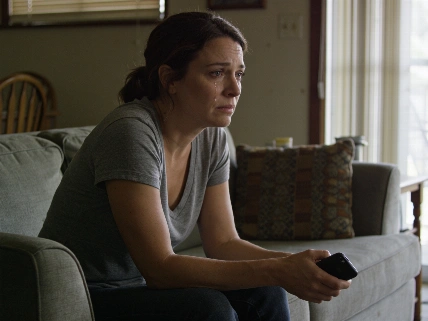
Anna, 35, walked into her apartment expecting warmth. Instead, her boyfriend of five years told her he no longer felt desire for her. He couldn’t pinpoint the reason. Something inside him had shifted, and he admitted the distance had grown too wide to ignore.
The warning signs had crept in for months. Sex faded out, replaced by tense conversations and a sense of drifting apart. Anna kept raising marriage and family. He kept sidestepping the future. When Anna took a job in another city, they agreed it made sense. They still talked about having a child and tried to focus on their health. But when Anna came home for the holidays, their attempt at intimacy fell flat. That’s when he finally said it: he didn’t want her, and he had no idea how to fix it.
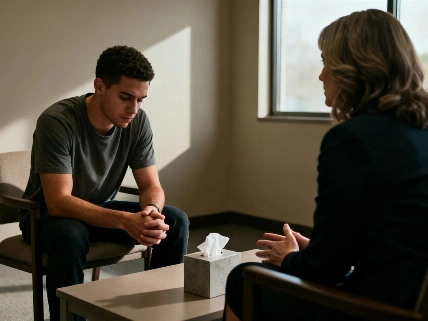
Clinical guidelines recognize that couples can seek help regardless of sexual orientation, gender, marital status, or whether they live together or apart.
Stuck in Limbo
Stories like Anna’s play out behind closed doors everywhere. Long-term couples often hit a wall when one person pushes for answers and the other pulls away. Hearing “I don’t want you” from someone you pictured a future with can leave you reeling. Self-blame creeps in fast—did you change, push too hard, or miss the moment things started to unravel? But the roots of sexual and emotional withdrawal usually run deeper than any single fight or phase.
Anna’s boyfriend refused therapy and shut down any talk about the problem. He called her the best partner he could imagine, but still pulled away from sex and from seeking help. The relationship froze. Neither could move forward or let go. Breaking up after five years felt impossible, but so did living in limbo and loneliness.
What’s Really Going On
Desire rarely disappears overnight. In Anna’s case, intimacy faded after months of anxiety about the future. She wanted clarity. He wanted calm. Each time she brought up marriage or children, he withdrew further. The cycle of hope and letdown wore them both down. When sex vanished, it was the last sign of a relationship already under strain.
According to NHS guidance, a decrease in sexual desire can be linked not only to relationship dynamics but also to physical health conditions, psychological states, trauma, stress, medications, and other medical factors. Each case requires individual assessment rather than assigning blame to one partner.
One failed attempt at intimacy doesn’t mean the end. Medical issues, stress, mood, and medication can all play a part. Sometimes, as Anna’s boyfriend described, there’s a psychological block that’s hard to name. A checkup with a doctor or urologist can rule out physical causes. But when a partner refuses any help, the weight lands on the other person.
When Only One Person Is Trying
Anna tried to talk and seek counseling. Her boyfriend avoided both. He feared losing her, but wouldn’t engage. This left Anna carrying all the emotional weight. As reported earlier, when one partner does all the repair work, resentment and exhaustion follow fast.
Anna’s next move isn’t about changing herself or trying to be more seductive. She faces hard questions: Can she accept life without marriage or sex? Is she willing to wait for him to change? If he keeps refusing help or honest talk, is she ready to leave, even if it hurts? No one else can answer these. Clarity comes from facing them directly, not from endless patience or self-blame.
Staying just to avoid the pain of breaking up isn’t a plan. It slowly erodes self-worth. Anna needs a partner willing to meet her halfway and work toward a future. If that’s not possible, letting go may be the only way to find real connection. The right to change your mind, seek support, and put your own needs first isn’t selfish—it’s survival. A relationship only heals if both people show up and do the work. Anything less is waiting for hope to run out.
Sexual avoidance in long-term couples is often misread as lost love or personal failure. In reality, it can point to deeper trouble with communication or hidden fears about commitment and change. Couples therapy, if both partners agree, can help break these patterns and rebuild trust. If only one person is willing, individual therapy can bring clarity and boundaries. The path forward starts with honesty—first with yourself, then with your partner.
Professional services like those from the NHS see couples seeking help for sexual problems, conflict, fertility, planning children, trauma, illness, or infidelity. NHS guidance says the goal of couples therapy is to help partners understand the patterns that keep a crisis going, especially when they can’t talk about it alone. More details are available in the NHS North London Mental Health Partnership overview.