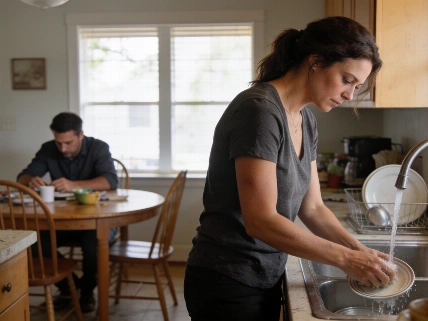


Many teens expect college to be easier than high school, but for some, academic pressure and emotional exhaustion only intensify after the switch
For some students, leaving high school for college is supposed to be a relief—a chance to escape toxic teachers, relentless pressure, or a system that never fit. But what happens when the struggle only deepens? According to Psytheater.com, many teens who felt stifled in high school find themselves just as overwhelmed, or even more so, once they enter college. The expectation that a new environment will fix everything rarely matches reality.
One common pattern: students who have spent years fighting to keep up, only to arrive at college and discover their energy is gone. They can’t focus in lectures, can’t finish assignments, and feel paralyzed by the thought of falling behind. The problem isn’t laziness or lack of willpower. It’s often emotional exhaustion—a state where the nervous system, after years of stress, simply shuts down to conserve resources. This can look like brain fog, low motivation, and a sense that even simple tasks are impossible.
It’s easy for outsiders to say, “Just try harder.” But that advice misses the point. When someone’s internal resources are depleted, pushing harder can make things worse. The real question is: what’s draining your energy? Sometimes, the answer isn’t obvious. It could be years of chronic stress, a mismatch between personal strengths and academic demands, or the lingering effects of being belittled by authority figures. For some, the fear of returning to high school or facing public failure adds another layer of pressure, making it even harder to recover.
There’s a persistent myth that if you just find the right major, the right school, or the right routine, everything will click. But for students who have been running on empty for years, the solution isn’t a new environment—it’s rebuilding internal reserves. That might mean stepping back from the constant push to achieve, seeking support from a counselor or therapist, or simply acknowledging that “I can’t” is a description of a state, not a permanent truth. As one related story explores, the pressure to meet others’ expectations can trap young people in cycles of burnout and self-doubt—see this discussion of breaking free from parental approval at how to stop living for others’ approval.
For those who feel stuck, it’s important to recognize when exhaustion has crossed the line from normal stress to something more serious. Persistent inability to concentrate, ongoing fatigue, and a sense of hopelessness may signal burnout or even depression. In these cases, professional help isn’t just helpful—it’s necessary. Emotional exhaustion is not a character flaw, and it rarely resolves with willpower alone. The first step is to stop blaming yourself and start asking what needs to change to restore your energy and sense of agency.
Recent studies show that nearly 60% of U.S. college students report overwhelming anxiety, and over 40% say they feel so depressed it’s hard to function, according to the American College Health Association’s 2023 survey. These numbers highlight that emotional exhaustion and academic burnout are not rare exceptions—they’re widespread realities. Colleges are responding by expanding mental health services, but many students still hesitate to seek help, fearing stigma or judgment. Recognizing the signs early and reaching out for support can make a critical difference in recovery and long-term well-being.
Burnout is not just about feeling tired. It’s a complex response to chronic stress, often marked by emotional numbness, detachment, and a loss of motivation. In academic settings, it can lead to declining grades, withdrawal from social life, and even thoughts of dropping out. Treatment may involve therapy, lifestyle changes, and sometimes medical intervention. Building resilience means learning to set boundaries, recognize limits, and prioritize recovery over relentless achievement. For students and families, understanding the difference between normal stress and true burnout is key to finding the right path forward.