

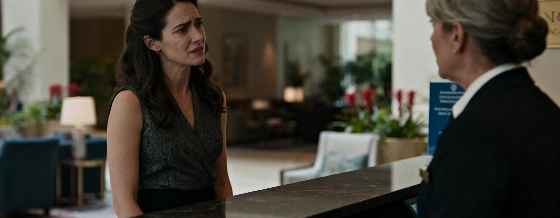
A simple question from a building concierge can trigger anger, shame, or anxiety—revealing deeper issues with boundaries, aging, and self-worth
Most people expect to feel a little awkward when entering a building where they don’t live. But for some, a routine question from a concierge—“Ma’am, where are you going?”—can spark a surge of anger or even shame. According to Psytheater.com, these moments often reveal more about our own emotional triggers than about the staff themselves.
Take the experience of Laura, a 31-year-old professional who describes herself as calm and even-tempered. Yet, she finds herself boiling with irritation whenever a concierge addresses her as “woman” or “ma’am” and asks her to state her business. The discomfort has grown so intense that she now avoids visiting friends in buildings with strict front desk staff. The question isn’t just about security—it feels like a personal affront, a reminder of boundaries crossed or respect withheld.
Why does such a simple interaction provoke such a strong reaction? For many, it’s not the words themselves but what they represent. Being called “woman” instead of “miss” or “young lady” can sting, especially if it feels like a reminder that youth is fading. For others, the demand to explain oneself to a stranger can echo childhood memories of being questioned or controlled by authority figures. The emotional charge comes not from the staff’s intent, but from the meaning we attach to the moment.
Concierges and front desk staff are tasked with keeping buildings secure. Their job is to monitor who enters and exits, often with little training in tact or hospitality. While some approach the role with warmth, others default to bluntness or suspicion. It’s rarely personal. But for guests who already feel vulnerable—about aging, about being scrutinized, about not belonging—the interaction can feel loaded with judgment.
Therapists suggest that when a seemingly minor encounter triggers a strong emotional response, it’s worth pausing to reflect. What, exactly, feels threatened? Is it a sense of autonomy, a desire to be seen as youthful, or a discomfort with authority? Writing down your thoughts can help clarify the underlying issue. Sometimes, the pain is less about the present and more about old wounds—moments when you felt powerless, invisible, or dismissed.
Once you’ve identified the trigger, you can decide how to respond. Is it worth letting a stranger’s words dictate your social life? How much discomfort are you willing to tolerate to see friends or attend events? For some, reframing the interaction—seeing it as a security measure rather than a personal slight—can help. For others, practicing a calm, assertive response (“I’m here to visit a friend in 4B”) can restore a sense of control.
Setting boundaries isn’t just about telling others how to treat you. It’s also about deciding which battles matter and which can be let go. If the discomfort lingers, it may be a sign to explore deeper issues with a therapist or counselor. The goal isn’t to change every concierge, but to understand your own reactions and make choices that serve your well-being.
Books like “Healthy Boundaries” by Terri Cole, “No Means No” by Damon Zahariades, and “Fierce Self-Compassion” by Kristin Neff offer practical tools for navigating these moments. They emphasize the importance of self-awareness, assertiveness, and self-respect—skills that can transform not just awkward encounters, but your relationship with yourself.
Everyday interactions with strangers can surface hidden insecurities or old hurts. Recognizing these patterns is the first step toward healing. The next is deciding how much power you want to give them over your life.
Boundary-setting is a core skill in therapy and personal growth. It involves recognizing where your comfort ends and someone else’s expectations begin. Healthy boundaries protect your sense of self without isolating you from others. In therapy, clients often practice naming their needs, tolerating discomfort, and responding to authority with calm clarity. Over time, these skills can reduce anxiety, improve relationships, and help you move through the world with greater confidence—even when faced with a blunt question at the front desk.