
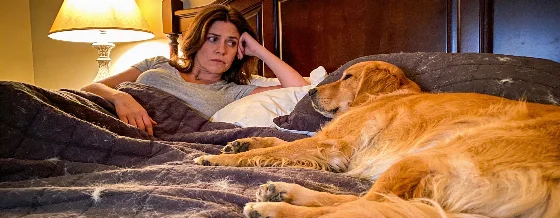
A third of Americans let their pets sleep in bed. This nightly habit reveals more than comfort.
Sharing your bed with a dog or cat is more common than you might think. According to recent studies, about one in three Americans regularly sleep with their pet. In the U.S., surveys from the American Kennel Club suggest that nearly half of dog owners allow their pets under the covers. While the image of a cozy night with a furry companion is appealing, the reality often includes stray hairs, midnight pawing, and disrupted sleep. Yet, this choice is rarely just about comfort or affection—it reflects deeper patterns in how we relate to intimacy, control, and emotional security.
Research compiled by the Association for the Study of Human-Animal Interaction points to a distinct psychological profile among people who co-sleep with pets. These individuals often seek emotional warmth and a sense of safety, even if it means sacrificing a perfect night's rest. The act of letting a pet into your most vulnerable space—your bed—signals a willingness to prioritize connection over routine or performance. For many, the bed becomes less a place for optimal sleep and more a cocoon of emotional reassurance.
Not everyone benefits equally from this arrangement. A Mayo Clinic sleep study found that 56% of pet owners share their bed with their animal, but only 40% report sleeping better as a result. About 20% say their sleep is worse. The trade-off is clear: some accept the inconvenience of lost space and interrupted rest in exchange for calm and a feeling of protection. This group tends to value emotional experience over strict organization, much like those who prefer a lively evening with friends to a meticulously planned schedule.
Sleeping beside a nonverbal animal also sharpens certain social skills. Owners become adept at reading subtle cues—ear position, body language, sudden movements—that translate into heightened empathy and an ability to interpret nonverbal signals in human relationships. According to the Association for the Study of Human-Animal Interaction, people who co-sleep with pets often develop a greater comfort with authenticity and emotional closeness. They are more likely to accept being seen without filters, even in moments of vulnerability or imperfection.
But what if you don't let your pet in your bed? Choosing to keep your sleeping space separate doesn't mean you lack affection. For some, allergies or a need for undisturbed rest take priority. A study cited by Sommeil.org found that 20% of pet owners are woken up by their animal during the night. Placing a pet bed nearby can offer a compromise, maintaining the bond without sacrificing sleep quality. In fact, data from BulleBleue shows that 93% of American pet owners view co-sleeping as positive or neutral for their rest. Ultimately, whether your dog claims half the blanket or sleeps in his own spot, your nighttime routine reveals much about your approach to love, boundaries, and emotional comfort.