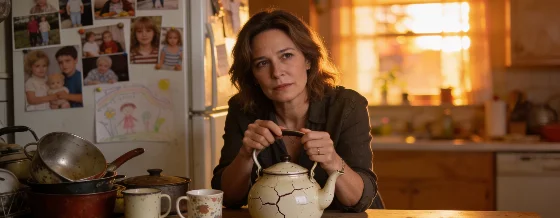
Holding onto chipped mugs or battered pans may reveal more about your emotional life than you think
Step into almost any American kitchen and you’ll spot them: the dented saucepan, the cracked teapot, the faded child’s drawing stuck to the fridge. These objects often outlive their usefulness, yet many of us find it hard to let them go. While the National Institutes of Health notes that hoarding can be a psychiatric disorder, most people who keep a few sentimental items in their kitchen aren’t suffering from mental illness. Instead, this habit can signal a deep emotional sensitivity and a strong attachment to memories made around the table.
Psychologists call this phenomenon “object attachment.” It’s the tendency to hold onto things that anchor us to our personal history and relationships. A chipped mug from a family trip, a casserole dish passed down from a grandparent, or a stained apron from baking with a child—these items become physical reminders of meaningful moments. For many, they offer comfort, a sense of continuity, and a way to feel less alone in daily life.
Research published in the Journal of Experimental Social Psychology found that people experiencing loneliness or social exclusion are more likely to assign emotional value to objects. They may even “humanize” these items, using them to fill a need for connection and reassurance. According to Marmiton, keeping mismatched plates or a cracked teapot isn’t necessarily a problem—it can reflect a rich capacity for feeling, remembering, and finding meaning in everyday experiences.
Attachment or Accumulation?
There’s a line, though, between healthy nostalgia and problematic accumulation. The NIH describes hoarding disorder as a persistent difficulty discarding possessions, driven by a need to save them and distress at the thought of letting go. When clutter makes a kitchen hard to use, or when the idea of throwing something away causes intense anxiety, it may signal a deeper issue. The Merck Manual estimates that hoarding disorder affects 1.5% to 6% of the general population, sometimes making spaces nearly unusable and increasing risks like falls, fire, and social isolation.
In contrast, ordinary attachment to a few old items is common and usually harmless. The kitchen remains functional, surfaces are accessible, and while parting with a keepsake might feel unpleasant, it’s not unbearable. Obsessive-compulsive disorders, which include hoarding, affect 2% to 3% of Americans. In true hoarding, the emotional distress is overwhelming, and family conflict over clutter is frequent.
When to Seek Help
Warning signs include avoiding cooking because of clutter, feeling intense anxiety at the thought of discarding items, or withdrawing from social contact out of embarrassment. If these patterns emerge, a primary care doctor can help assess the situation and refer to a mental health professional if needed. Treatment often involves cognitive-behavioral therapy, sometimes combined with medication, to gradually reduce clutter and restore comfort at home.
For those whose attachment is moderate but starting to interfere with daily life, small steps can help: organizing a single drawer, asking whether each item is still useful, or keeping a photo instead of the object itself. If these efforts feel impossible or trigger significant distress, professional support is recommended.
This article is for informational purposes only and does not replace medical advice. If you’re struggling with clutter or emotional distress, talk to your doctor or a mental health professional. For urgent help, the Suicide & Crisis Lifeline is available 24/7 at 988.