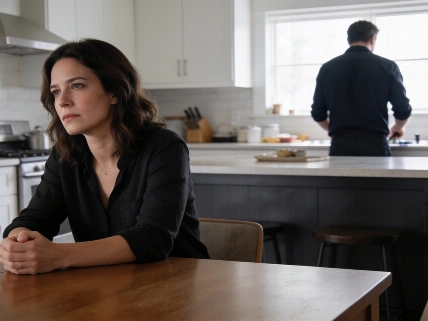

Many couples hit a wall when they try to reshape their partner instead of accepting flaws. This pattern often leads to resentment, distance, and a breakdown in trust
In therapy offices across the country, couples arrive with a familiar complaint: “My partner isn’t who I married.” The urge to fix, mold, or outright change a spouse is one of the most common—and corrosive—patterns in long-term relationships. It rarely starts with malice. Often, it’s a slow drift: the quirks that once seemed charming now grate, and the differences that felt exciting now feel like obstacles. The fantasy of the perfect match gives way to the reality of two imperfect people, each carrying their own history, habits, and scars.
One metaphor that resonates with many couples is the idea of two halves of an apple. At the start, each person imagines they’ve found their perfect fit. The relationship feels seamless, the flaws invisible. But over time, the shine fades. The “halves” reveal their rough edges, bruises, and even wormholes—evidence of past hurts, family patterns, and personal baggage. Some partners wish for the sweet, glossy apple they first fell for. Others, in frustration, wish their apple half would turn into a pineapple—something entirely different. The drive to remake a partner, rather than accept them, breeds disappointment and conflict.
Trying to overhaul a spouse’s personality or habits is a dead end. It leads to resentment, withdrawal, and sometimes the collapse of the relationship itself. Healthy marriages are built not on the fantasy of perfection, but on the daily work of accepting each other’s limitations. No one enters a relationship as a blank slate. We bring our own dents, beliefs, and learned behaviors—often shaped by our families of origin. The real work is in learning to fit together, rough edges and all, rather than sanding down the other person to fit an ideal.
Therapists see this dynamic play out again and again. The goal in couples therapy is not to referee who’s right, but to help each partner articulate their real needs and learn to communicate without blame. According to Psytheater.com, couples who focus on understanding and acceptance—rather than control—are far more likely to weather the inevitable storms of marriage. Communication skills, empathy, and a willingness to see the other person as they are, not as you wish them to be, are the foundation of lasting intimacy. For those who want a deeper dive into how hidden patterns sabotage relationships, this analysis of why love alone isn’t enough offers a clear-eyed look at the roots of marital conflict.
Recent research from the American Psychological Association shows that nearly 70% of couples report recurring disagreements about personality differences, not just situational conflicts. Longitudinal studies indicate that attempts to fundamentally change a partner’s core traits are linked to lower relationship satisfaction and higher rates of separation. These findings underscore the importance of acceptance and realistic expectations in sustaining a healthy partnership.
Couples therapy in the U.S. has evolved to focus less on “fixing” individuals and more on building skills for mutual understanding. Approaches like Emotionally Focused Therapy and the Gottman Method emphasize the value of recognizing each partner’s emotional needs and learning to navigate differences without contempt or withdrawal. The shift away from blame and toward acceptance is not just a therapeutic trend—it’s a reflection of what actually works in the long run.