

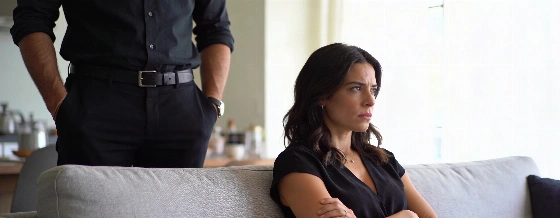
Many adults find it difficult to apologize, fearing it signals weakness or loss of dignity. But research shows that genuine apologies can repair trust and strengthen bonds
Most people think they know how to say sorry. But when a real conflict hits—especially with someone close—apologizing can feel like walking into a trap. For many, the act of admitting fault triggers a deep discomfort, as if acknowledging a mistake means surrendering dignity or control. This belief often traces back to childhood, when apologies were demanded without explanation, leaving the impression that saying sorry is a sign of weakness rather than maturity.
Yet, according to Psytheater.com, the ability to apologize well is a core relationship skill. It signals respect, self-awareness, and a willingness to repair. When done right, an apology can close the gap between people, even after a painful breach. But most of us have heard—or given—apologies that miss the mark. Phrases like, “You’re too sensitive, it was just a joke,” or “Everyone does it, you’re overreacting,” don’t heal. They deflect blame, minimize the other person’s feelings, and avoid responsibility. These non-apologies often make things worse, fueling resentment and prolonging conflict.
So what does a real apology look like? Experts outline a four-part formula: admit the mistake, acknowledge the other person’s feelings, recognize the harm caused, and offer to make amends. Each step matters. Without clear ownership—“I was wrong when I…”—the apology feels hollow. Without validating the other’s emotions—“I understand why that hurt you”—the injured party feels unseen. Recognizing the impact—“I know my actions embarrassed you”—shows empathy. And offering repair—“How can I make this right?”—demonstrates commitment to change.
Consider these examples: “I’m truly sorry I forgot our dinner plans. If the roles were reversed, I’d be upset too. Let me make it up to you—can I take you out this weekend?” Or, “I shouldn’t have spoken to you that way in front of others. I realize I put you in a tough spot. What can I do to fix this?” Even in parent-teen relationships, a mother might say, “I shouldn’t have gone through your things. You asked me not to, and I broke your trust. I won’t do it again. Is there anything I can do to help you feel better?”
Learning to apologize well isn’t just about smoothing over arguments. It’s about building a culture of respect and accountability. In fact, research from the University of California, Berkeley, found that couples who practice effective apologies report higher relationship satisfaction and lower rates of chronic conflict. The study, published in 2022, tracked 300 couples over two years and found that those who used the four-step apology model were 40% more likely to resolve disputes without lingering resentment.
Apologizing is not about self-blame or groveling. It’s about recognizing the impact of your actions and showing you care enough to repair the damage. This skill is especially vital in long-term relationships, where unresolved hurts can quietly erode trust. As one therapist notes, even couples who seem perfect on the outside face moments of rupture—and the ability to apologize can make the difference between growing together or drifting apart. For more on how even the happiest couples navigate conflict, see this analysis of marital arguments and intimacy here.
In therapy, learning to apologize is often a turning point. It requires vulnerability, but also boundaries—an apology should never be coerced or used to manipulate. The process can be uncomfortable, especially for those who grew up equating mistakes with shame. But over time, practicing real apologies can transform not just relationships, but self-respect. It’s a skill worth building, whether you’re repairing a marriage, reconnecting with a friend, or modeling healthy behavior for your kids.
Relationship experts emphasize that apologies are most effective when they’re specific, timely, and free of excuses. A vague “I’m sorry if you were hurt” rarely lands. Instead, focus on what happened, how it affected the other person, and what you’ll do differently next time. This approach not only repairs trust but also fosters emotional safety, making it easier to navigate future conflicts without fear or defensiveness.