A woman weighs marriage to a man who is unemployed, dependent, and emotionally fragile
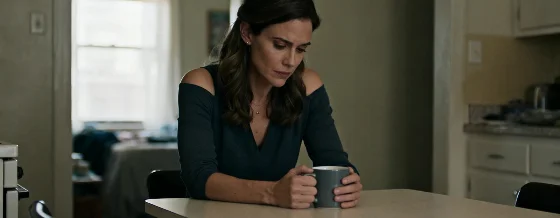
Six years into a long-distance relationship, Emily faces a decision that feels both urgent and impossible. Her boyfriend, now 36, lives abroad, visits a few times a year, and has never held a steady job. He survives on disability payments and his parents’ support. Every plan to move in together has stalled—mostly because he can’t provide for himself, let alone a household. Now, he’s agreed to relocate to her city, but only if they marry. For at least the first months, she’d be the sole breadwinner. The prospect fills her with dread.
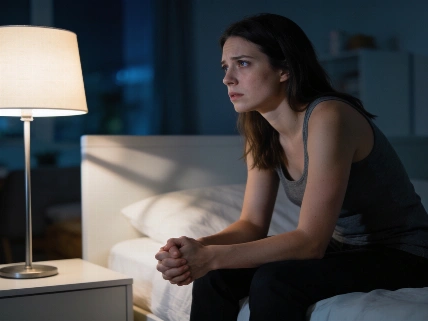
Emily wants a partner who can stand on his own, someone who’s achieved something by his mid-thirties. Instead, she’s looking at a future where she supports them both, stretching her salary to cover two adults. She’s exhausted by his constant complaints about life, government, and family. She’s tired of the guilt that comes with even considering a breakup. She fears that ending things could trigger a health crisis for him—or worse. The weight of his emotional dependence is crushing, but so is the idea of starting a marriage on these terms.
Responsibility and Patterns
According to Psytheater.com, the core issue isn’t just money. It’s about life stance. There’s a difference between someone who’s temporarily out of work but hustling to improve, and someone who’s settled into a passive, “the world owes me” mindset. Emily’s boyfriend fits the latter. His parents have carried him for years. If he moves, that burden shifts to her. But she’s not obligated to take it on. Adults are responsible for their own lives, including their finances.
Disability doesn’t have to mean passivity. Many people with health challenges find ways to work, study, or contribute. The real problem is a lack of ownership. If Emily becomes his new caretaker, she risks losing herself in the process. The relationship dynamic is already lopsided—she gives, he takes. That imbalance rarely improves with time or marriage.
Guilt, Fear, and Emotional Blackmail
Emily’s fear isn’t just about money. She’s terrified that breaking up could harm him. He’s hinted at self-harm if she leaves. This is a heavy, manipulative burden to place on a partner. If someone threatens suicide, the right response is to encourage professional help—not to stay in a relationship out of fear or guilt. No one can “save” another person by sacrificing their own well-being.
It’s also telling that Emily worries about losing his love and support, yet describes a relationship where support flows only one way. She’s more concerned for his feelings than her own. That’s a red flag for emotional dependency, not partnership. If the main reason to stay is fear of what might happen to him, not love or shared joy, it’s time to ask hard questions.
What Do You Really Want?
Emily never mentions loving her boyfriend—only that he loves her, that he needs her, that she’s afraid to hurt him. She needs to ask herself: If guilt and fear weren’t factors, would she choose this man as a husband today? Does she feel tenderness, desire, or excitement about a future together—or just dread and obligation?
Honest answers matter. If she decides to end things, she should do it face-to-face, with clarity and kindness, but without false hope or blame. “I value our years together, but I’m not ready for marriage or this kind of life,” is enough. Pain is inevitable, but staying out of pity or fear usually leads to more suffering for both people. Sometimes, the healthiest choice is to let go and choose yourself.
Relationships built on guilt, fear, or rescue rarely become healthy partnerships. Emotional dependency can feel like love, but it’s not the same as mutual support and respect. If you’re in a similar situation, consider what you want, what you’re willing to give, and whether your needs are being met. You have the right to choose a life that works for you, not just for someone else.
When a partner’s mental health is fragile, it’s crucial to distinguish between support and enabling. If someone threatens self-harm, encourage them to seek professional help. You are not responsible for another adult’s choices or well-being. Healthy relationships require two people who can each stand on their own, even when they lean on each other.