
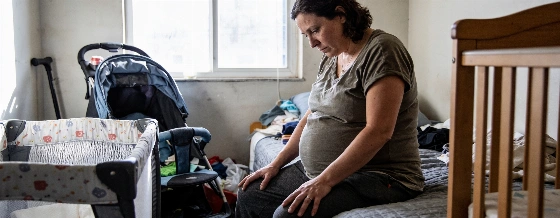
A 38-year-old woman faces a planned pregnancy she now deeply regrets, struggling with emotional exhaustion, financial stress, and a sense of isolation as her due date approaches
At 38, Emily thought she was making a rational choice. After years of infertility, she and her husband decided to try for a child—not out of longing, but from a fear they’d regret never knowing if parenthood was possible. Now, six months into a difficult pregnancy, she’s certain she made a mistake. The physical toll has been relentless: constant bleeding, high risk of complications, and a body that feels hijacked. But the emotional fallout is worse. She dreads the idea of sharing her home, her time, even her body, with a baby she never truly wanted.
Her husband, once ambivalent, now seems excited. Emily, meanwhile, is paralyzed by dread. The thought of breastfeeding triggers panic. The sight of baby gear in stores makes her cry. She mourns the loss of privacy, hobbies, and quiet in their cramped apartment. She recoils at the idea of constant touch, knowing she’s never liked being physically clung to. The prospect of a child’s presence feels suffocating, not joyful.
Money only sharpens the edge. Her husband works sporadically, earning little, and talks about taking parental leave—though he’s barely employed. Emily works two jobs, with no paid leave or benefits as a freelancer. Every dollar goes to essentials. She’s stopped spending on herself, even for basics like maternity clothes. The only thing she misses is exercise, her one outlet, now off-limits. She feels trapped, unsupported, and invisible.
Every day brings tears and a growing urge to escape. She fantasizes about leaving everything behind—her husband, the baby, her life as she knows it. She’s not suicidal, but the thought of disappearing, even into poverty, feels like relief compared to the future she sees. Attempts at comfort from friends—“You’ll love her when she’s born”—only make her angrier. She wants to find a way to survive her feelings, not be told they’ll magically vanish.
According to Psytheater.com, this kind of emotional crisis is more common than most people admit. The pressure to feel grateful or instantly bonded with a pregnancy can make honest distress feel shameful. Many women, especially those with high-risk pregnancies or financial strain, experience a mix of resentment, fear, and even disgust. The real danger comes when these feelings are denied or minimized, rather than addressed head-on. In some cases, the lack of support from a partner—financially or emotionally—can turn anxiety into despair. As one recent feature on adult children navigating family tension highlights, the emotional cost of unmet needs and unspoken fears can linger for years (exploring how unresolved family dynamics shape adult distress).
Emily’s story is not about a lack of love or maternal instinct. It’s about the collision of expectation, reality, and the limits of endurance. She’s not alone in feeling overwhelmed or even repulsed by the changes pregnancy brings. What she needs—what many in her position need—is not platitudes, but practical support, honest acknowledgment of her pain, and a path to reclaim some sense of agency. For some, that means therapy, crisis counseling, or connecting with others who’ve faced similar regret. For others, it’s about renegotiating roles at home or seeking outside help, even when resources are scarce.
Perinatal mental health is a growing field in the U.S., with research showing that up to 20% of women experience significant depression or anxiety during pregnancy or after childbirth. The CDC reports that suicide and overdose are leading causes of maternal death in the year after delivery, underscoring the need for early intervention and real support. Specialized hotlines, online counseling, and community programs now exist in many states, but stigma and lack of awareness still keep many women from reaching out. Recognizing the signs of emotional crisis—and responding with empathy, not judgment—can make a life-changing difference.