
Most of what we communicate never comes out of our mouths. FBI-trained crisis negotiator Juan Manuel García reveals how body language and silent cues shape trust and outcomes in both life-or-death standoffs and daily arguments
Juan Manuel García, called Pincho, remembers his first days with the FBI’s profiling team. He expected drama. He got something else. The real lesson hit fast: words are only a small part of any negotiation. The real power sits in silence.
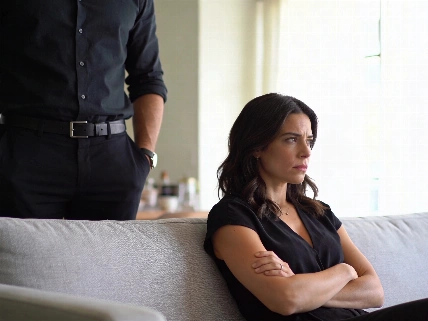
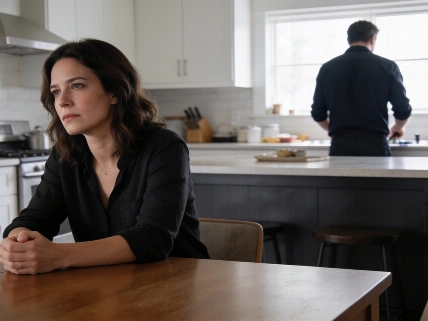
García had already worked as a crisis negotiator for Spain’s Guardia Civil. He’d seen how people act under pressure. But FBI training forced him to face a hard truth. Words make up just 7 percent of what we communicate. The rest—up to 65 percent or more—shows up in posture, gestures, micro-expressions, and tone. Sometimes, silent signals take over everything.
Non-verbal communication includes not just body language, but also tone of voice and appearance, all of which play a crucial role in how messages are received.
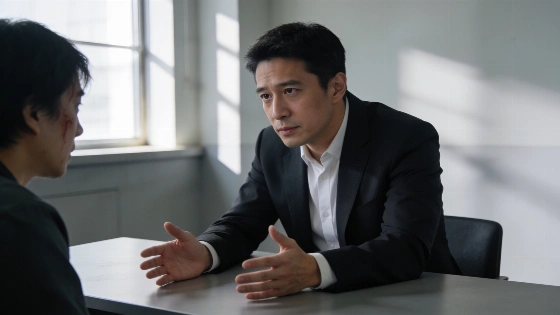
García has talked down armed criminals. He’s pulled people back from suicide. In those moments, he says, survival can depend on what your body shows—judgment, fear, or calm. He watches for a person’s baseline: how they move, breathe, and talk when relaxed. Any shift from that baseline, especially under stress, can warn of trouble before anyone raises their voice.
Most people won’t face a gunman. But the same patterns show up when a teenager shuts down, a partner pulls away, or a friend spirals. García’s method is simple. He asks open questions. He listens without judging. Sometimes, he lets silence do the work. He believes a few seconds of quiet can do more than any clever argument. Silence is powerful.
Healthcare de-escalation training highlights that early warning signs of escalating violence include pacing, clenched fists or jaw, trembling, intense eye contact, rapid movements, invading personal space, blocking exits, and reaching for potential weapons.
His FBI mentors drilled in another rule. Skill isn’t enough. You have to look the part. Trust depends on more than what you know. It’s about matching your words, your tone, and your body. This matters everywhere—job interviews, doctor visits, or comforting someone in pain. People judge trust in seconds. They watch for alignment between what you say and how you show up.
Albert Mehrabian and Paul Ekman’s research backs this up. When words and tone clash, people trust the nonverbal. The "7% verbal" rule, from Mehrabian’s 1971 book Silent Messages, applies to how we show emotion, not all communication. A Wallstreetcn analysis explains this. Our minds twist what we hear, but our bodies give us away. García pays close attention to small shifts—a clenched jaw, eyes that dart away, a sudden breath. These signs show tension before anyone shouts.
On a recent podcast, García explained his approach. He uses active listening, open-ended questions, and silence. He doesn’t rush to fill every pause. He waits. He asks what the other person needs. This method, he says, has kept every crisis negotiation from ending in tragedy. Not one lost.
Some readers hope for a quick fix to reset the mood. But as reported earlier, cold showers and simple rituals have limits. Real change in trust and communication takes steady attention to the signals we send and receive. There are no shortcuts.
García’s story cuts through the noise. The most important talks in life depend on what we show, not just what we say. When conflict heats up, the real test isn’t finding perfect words. It’s holding your ground, reading the room, and letting your presence speak. Words are everywhere. Trust is silent.
Nonverbal cues are a core focus in behavioral psychology and therapy. Clinicians teach clients to spot their own body language and read others better. Techniques from cognitive behavioral therapy and emotion-focused therapy help people notice their nonverbal habits, especially under stress. These skills don’t just help relationships. They can save lives—in crisis, at home, and beyond.