Older adults face a unique kind of loneliness that can reshape daily life and self-worth
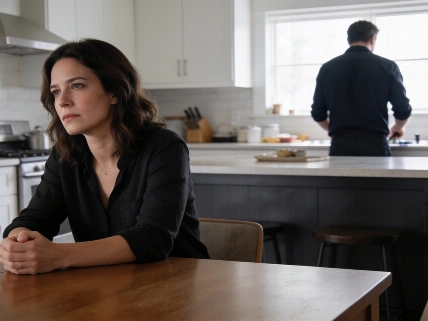
“Sit with me for a minute. Let me see your wrinkles.” For many older Americans, the lines on their faces are not flaws—they’re a living record of storms weathered and calm days survived. But as the years pass, the distractions that once filled the day—work, family calls, errands—fade, and a new kind of emptiness creeps in. According to Psytheater.com, this isn’t just about being alone. It’s about the unsettling sense that the world has moved on, leaving you behind in a quiet apartment, wondering if you’re still visible to anyone at all.
Loneliness in old age is not the same as the isolation young people complain about. It’s deeper, more existential. The mirrors that once reflected your worth—your job, your usefulness, your social role—crack or disappear. The silence becomes heavy. Many describe it as feeling like a ghost in their own life, dissolving into the background. The mind starts to spiral: “My kids are busy, my grandkids don’t care, my friends are gone, and I’m too old to make new ones.”
But this narrative, while common, is not the only path. Spiritual thinkers and therapists alike warn against measuring your value by the number of visitors or phone calls. The real danger is letting your sense of self shrink to a tally of who shows up. Instead, they suggest a radical shift: stop seeing yourself as a passive recipient of care and start seeing yourself as a keeper of wisdom and presence.
Rewriting the Script
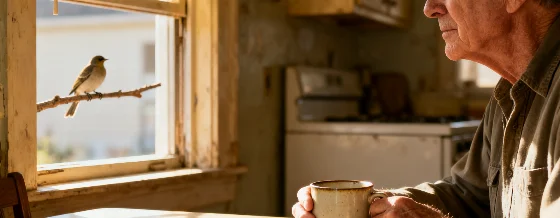
One approach is to transform your daily rituals. Instead of waiting for someone to fill the silence, create moments of meaning. Use the mug you’ve loved for decades, not the one reserved for guests. Brew tea, sit by the window, and notice the world outside—a bird on a branch, the play of sunlight. This isn’t just mindfulness; it’s a way to ground yourself in the present, to find connection in the ordinary. The mind calms, and the heart remembers: “I am home, even if I am alone.”
Older adults who cultivate this kind of self-sufficiency often become magnets for their families. Children and grandchildren, worn out by their own anxieties, are drawn to the quiet steadiness of a parent or grandparent who radiates calm instead of need. The shift is subtle but powerful: from “give me attention” to “here is peace.”
Another tool is to reframe your life story. Instead of replaying regrets or losses, try writing your own “gratitude ladder.” List the moments that shaped you—not as failures, but as evidence of courage, survival, and grace. How did you meet your first love? How did you get through hard times? This exercise, recommended by therapists, helps transform memory from a source of pain into a wellspring of meaning. You become not a relic, but a storyteller, a keeper of family history. Even the most distracted grandchild will pause to listen when the story is told with warmth, not bitterness.
Building Invisible Connections
Modern advice often urges seniors to expand their social circles, join clubs, or take up new hobbies. But for many, especially those in their eighties or nineties, this is unrealistic. Instead, deepen the connections you already have—even if they’re not with people. Care for a plant on your balcony. Speak to it, water it, notice its growth. This isn’t eccentricity; it’s a way to stay engaged with life. The act of nurturing, even something small, can anchor you in the world and remind you that you are still capable of giving and receiving care.
For those with a spiritual bent, simple prayers or moments of reflection can fill the silence. You don’t need elaborate rituals. A whispered “I’m here” or “Thank you for this day” can be enough. The point is not to fill every moment with noise, but to find a new language for presence and gratitude. When you do, the silence stops feeling empty. It becomes a space for dialogue—with yourself, with the world, with whatever you hold sacred.
And when the phone does ring, or a family member visits, it’s no longer a lifeline for a drowning soul. It’s a welcome addition to a life already full of quiet meaning.
Presence Over Numbers
The hardest truth is that loneliness in old age cannot be cured by simply adding more people to your life. It’s about the quality of your own presence in your own days. Stop waiting for someone to rescue you from solitude. You are alive, right now. Your heart is beating. You can notice the light, cross yourself, or simply say, “Thank you.” That’s enough to begin. Over time, you build an inner sanctuary—a place so warm that others come not to save you, but to share in your peace.
Great loneliness, for many, is the doorway to a deeper friendship—with yourself, with the world, with whatever you believe in. For older adults, this may be the most profound relationship of all.
Loneliness in late life is a growing concern as the U.S. population ages. Research shows that chronic isolation can increase the risk of depression, cognitive decline, and even physical illness. Interventions range from therapy and support groups to community programs and spiritual counseling. But the most effective approaches often focus on helping older adults rediscover meaning, agency, and connection in their daily routines. Recognizing the difference between being alone and feeling abandoned is key to building resilience and emotional health in the later years.