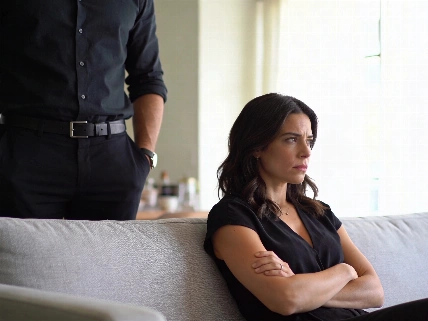


Even in close families, old patterns can leave adult children anxious about triggering anger or rejection from a parent. Here’s how that tension shows up and what it means
On the surface, some mother-daughter relationships look easy. You talk, you laugh, you share meals. But for many adult daughters, a quiet tension runs underneath. You find yourself replaying conversations, worrying you said the wrong thing, bracing for a sudden shift in mood. The fear isn’t always about what’s happening now—it’s about what happened years ago, and how those memories still shape your sense of safety.
Take Anna, 24, who describes her relationship with her mom as good. Yet, she admits, every time she voices a preference or makes a joke, she scans for signs of irritation. When her mom made pancakes she didn’t like, Anna said so, then instantly pictured her mom snatching the plate away and snapping, “If you don’t want it, don’t eat it!” The outburst never came, but the anxiety lingered. According to Psytheater.com, this kind of anticipatory fear is common in families where emotional volatility was part of childhood, even if it was rare.
What’s happening here isn’t just sensitivity or overthinking. It’s a learned response. As a child, Anna sometimes misbehaved and her mom would yell. It didn’t happen often, but for a kid, a parent’s anger can feel like the world is breaking. The brain remembers: if I say the wrong thing, I might get hurt—emotionally, if not physically. That memory becomes a background hum of anxiety, long after the real threat is gone.
In healthy relationships, you can be tired, annoyed, or disagree without fearing rejection. You don’t have to monitor every word or facial expression. But when you grow up with unpredictable reactions, you learn to be careful. You become skilled at reading the room, changing the subject, smoothing things over. It’s not closeness—it’s survival. You care for the other person’s feelings, but you lose the freedom to be fully yourself.
Sometimes, the parent really does go silent or withdraw after a joke or comment. Maybe they’re genuinely hurt. Maybe they’re just tired. But instead of checking in—“Did I upset you?”—you retreat, hoping to keep the peace. The relationship becomes a series of careful maneuvers, not honest exchanges. Real friendship between parent and child isn’t about never hurting each other; it’s about being able to notice, name, and move through hurt together, without the bond breaking.
Guilt is another layer. Anna blames herself for her mom’s anger: “I must have pushed her too far.” But parents are adults, responsible for their own reactions. Even if a child is difficult, yelling is a choice. When adult children keep taking all the blame, they stay stuck in a child’s role—bad kid, good mom. That’s not the full story. Both people shape the emotional climate of a family.
To move forward, it helps to see what’s missing: permission to be yourself, confidence you won’t be rejected for saying something awkward, experience that conflict doesn’t mean the end of the relationship. These things can be built, slowly. Next time your mom goes quiet, try not to run. Ask, calmly, if something’s wrong. Maybe she’ll say it’s nothing. Maybe you’ll finally talk about what’s really happening between you.
It’s possible to go deeper, too. You might say, “Sometimes I’m scared to speak up because I worry you’ll get angry. I know you haven’t in a long time, but the fear is still there.” That’s a risk, but real closeness requires risk. Your relationship isn’t doomed—it’s just stuck in an old pattern. You’re not a child anymore. You can start to change the dance, not to become the perfect daughter, but to finally meet your mom as two adults.
Family therapy can help untangle these patterns. Therapists often work with adult children and parents to rebuild trust, set boundaries, and practice new ways of communicating. The process isn’t about blaming or reliving the past, but about understanding how old wounds show up in the present—and learning how to respond differently. Even small changes in how you talk, listen, or react can shift the dynamic, making space for more honest, less anxious connection.