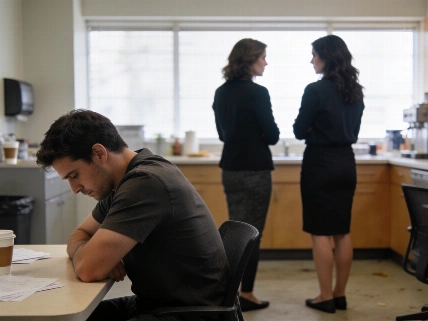


A ten-year friendship unraveled after one broken promise and years of silence. When neither friend reached out, resentment grew. Can old bonds survive this kind of rupture
For ten years, Emily and her best friend were inseparable. They shared everything—late-night talks, family holidays, even plans for each other's weddings. But one day, after promising to call back, Emily forgot. Her friend, never one to make the first move, waited. Days turned into months. Neither picked up the phone. The silence stretched for over three years.
Six months ago, Emily’s friend finally broke the silence with a message: “Isn’t it ridiculous to lose a friendship over a missed call?” Emily’s reply was sharp: “You didn’t need me for three years—why now?” The conversation ended there. Since then, Emily has learned her friend got married. She suspects her friend wanted her at the wedding—something they’d promised as kids. The regret lingers, surfacing in dreams where they talk about everything that’s happened. Emily wants to reconnect, but the path back feels uncertain.
According to Psytheater.com, these ruptures rarely happen overnight. A single missed call is rarely the true cause. More often, it’s the final straw after years of subtle imbalance. In Emily’s case, she often initiated contact, while her friend rarely reached out first. Over time, this uneven effort built up quiet resentment. When the call didn’t come, it wasn’t just about the phone—it was about feeling unseen, unvalued, and tired of always being the one to reach out.
When her friend finally did reach out, she tested the waters, hoping for a gentle return. But Emily’s response was loaded with years of hurt. Underneath the anger was something softer: the pain of feeling unimportant, the fear of being forgotten. These emotions are common in friendships that drift apart. The longer the silence, the heavier the doubts about one’s own worth.
Repairing a friendship after this kind of break takes more than a simple apology. It starts with honest self-reflection. Emily has to face her own role in the split—not just the missed call, but the harsh reply when her friend reached out. Guilt, in this context, isn’t a sentence—it’s a signal. It points to the places where repair is possible, if both sides are willing.
Reaching out again doesn’t guarantee reconciliation. But it does offer a chance to acknowledge the value of what was lost. The healthiest approach is to write without expectation—no demands, no pressure for immediate forgiveness. Just a clear statement: “This friendship mattered to me. I regret my part in the distance.” That’s the only ground where something new might grow.
Whether her friend responds or not, Emily will know she tried. Sometimes, that’s the only closure available. The outcome depends on both people’s readiness to move past old hurts and invest in rebuilding trust. Even if the friendship doesn’t return, the act of reaching out can bring its own kind of peace.
Friendship ruptures like this are more common than most people admit. They often reveal deeper patterns—how we handle disappointment, how we express needs, how we respond to feeling overlooked. Therapy can help untangle these patterns, especially when old wounds keep repeating in new relationships. For those struggling with friendship loss, working with a therapist can clarify what’s worth repairing and what’s best left behind.