
A woman escapes her husband’s emotional and physical abuse only to discover she is pregnant and torn between protecting herself or returning for her child’s sake
Finding out you’re pregnant after leaving an abusive marriage is a shock that upends everything. For many women, learning they’re carrying a child from a partner who has already crossed the line into violence and manipulation brings a new set of questions. It’s not just about personal safety anymore—it’s about whether love, hope, or a sense of duty could ever justify going back.
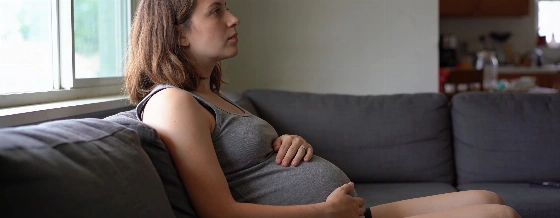
Take the case of a thirty-year-old woman—let’s call her Emily—who left her husband after repeated emotional cruelty and threats of violence. She was isolated in his country, cut off from support, and blamed by his family. She spent her savings to get out, relying on a friend to help her return home. Only after she made it back did she learn she was pregnant, which made every decision about her future even harder.
According to the U.S. Department of Health and Human Services, children exposed to domestic violence are significantly more likely to become involved with child protective services and foster care systems.
Emily’s situation isn’t unusual. Many women in abusive relationships face the same impossible choice: stay for the child, or leave to protect themselves. The emotional math is brutal. She describes her husband as her greatest love and her first partner, someone who still meets some of her needs. But he’s also used guilt, blame, and withdrawal to control her, and his family has made her feel like an outsider. The pattern is familiar: isolation, gaslighting, and shifting blame, often with relatives helping the abuser.
Safety versus sacrifice
When physical violence enters the picture—even once—the situation changes. Therapy approaches like schema therapy and emotionally focused therapy agree: safety and trust are the foundation of any relationship. If a partner threatens or harms you, the relationship becomes a source of trauma. The idea of staying "for the child" is tempting but risky. Children who grow up in homes with ongoing abuse, even if they aren’t the direct target, absorb the atmosphere. They learn about love, boundaries, and self-worth from what they see and feel every day.
Research from the U.S. Department of Health and Human Services shows that children who witness domestic violence are more likely to end up involved with child welfare services, including CPS and foster care (HHS report).
Official UNFPA guidelines for healthcare providers emphasize that responding to intimate partner violence and sexual violence requires not only clinical care but also emotional support and evidence-based programs, especially for women during pregnancy and postpartum periods.
After Emily’s husband found out about the pregnancy, he briefly tried to reconnect. But as her due date got closer, he slipped back into old habits—using guilt, ignoring her needs, and refusing to take responsibility. This cycle of abuse, apology, and more abuse is well documented. Without real accountability and lasting change, the risk of harm stays high.
Stories like Emily’s are common, and the pressure to "keep the family together" is strong, especially when cultural or personal values put sacrifice for children above all else. But the evidence is clear: children do not benefit from witnessing ongoing abuse. The cost is often their own sense of safety and emotional health.
What can actually change
Therapists encourage women in Emily’s position to ask hard questions: Is your partner willing to take responsibility, get help, and respect your boundaries? Can you safely express your needs and expect them to be met? Is there any sign of real change, or just promises and temporary calm? In most cases, the answer is no. Abusers rarely change without serious intervention, and even then, relapse is common.
Pregnancy makes women even more vulnerable—a time when support, not fear, should be the norm. The hope that love or a child can "fix" an abusive partner is persistent, but research doesn’t support it. The only person you can control is yourself. Staying in a dangerous relationship for a child’s sake often means exposing both yourself and your child to more harm.
This isn’t just about surviving. It’s about showing your child what healthy love and boundaries look like. Leaving isn’t a failure of love or commitment—it’s an act of protection and self-respect. The idea that children need both parents at any cost is a myth. What children need is at least one safe, stable, loving caregiver. Everything else comes after that.
When the risks are this high, clarity matters more than hope. The evidence points in one direction: safety first, for both mother and child. Healing, rebuilding, and possibly co-parenting from a distance can only happen once the threat of harm is gone. Sometimes the bravest choice is the hardest: to walk away, not just for yourself, but for the future you want your child to have.
Schema therapy, developed by Dr. Jeffrey Young, is a treatment that helps people identify and change deep patterns—schemas—that drive unhealthy relationship choices and emotional reactions. In cases of trauma and abuse, schema therapy helps clients see how early experiences shape their expectations and boundaries. By working through these patterns, people can learn to set limits, choose safer relationships, and break cycles of self-sacrifice. This approach is especially helpful for those who struggle with guilt, loyalty, or the belief that they must endure pain for others.