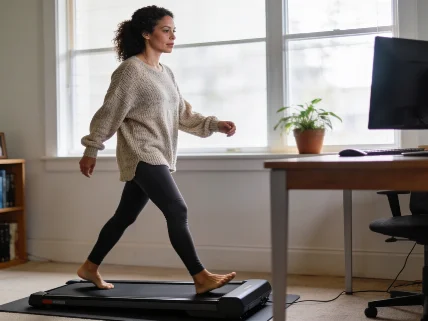
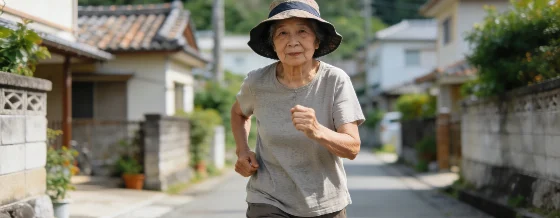
A 30-minute Japanese walking routine inspired by Okinawa’s centenarians is gaining attention for its heart and weight benefits
On the southern Japanese island of Okinawa, it’s not unusual to meet people in their 90s who remain active and independent. While their diet often gets the spotlight, researchers have started to focus on another factor: the way Okinawans walk. This daily habit has inspired a new 30-minute Japanese walking routine that claims to burn fat and boost heart health—no gym required.
Developed at Shinshu University in Matsumoto by Professor Hiroshi Nose, the method is known as "marche japonaise fractionnée" or Interval Walking Training. It builds on the Okinawan tradition of walking daily to visit neighbors or tend gardens, as described by National Geographic, but adds a cardio twist for those aiming to lose weight and protect their heart.
The protocol is simple: alternate three minutes of brisk walking with three minutes at a slower pace, repeating this cycle for 30 minutes, four times a week. According to Olivia Regout of PassionSanté, this interval approach increases energy expenditure, raises the heart rate, and remains gentle on the joints. The alternation between fast and slow phases is what sets this method apart, creating a unique effect on the body, as noted by several health experts.
Scientific studies back up the benefits. A 2007 Japanese study tracked 246 people with an average age of 63 over five months, dividing them into groups for continuous walking, interval walking (three minutes fast, three minutes slow), and a control group. The interval walking group lost weight, saw reductions in blood pressure, and gained leg strength. As Professor John Buckley explained to Euronews, these short bursts of intense activity push muscles, the heart, and lungs to adapt more than steady walking does.
After three months of four sessions per week, participants increased their aerobic power and thigh strength by about 20%, while symptoms of high blood pressure, high blood sugar, and obesity dropped by a similar margin. Many reported feeling "about 10 years younger." A 2024 review in Applied Physiology, Nutrition and Metabolism confirmed these effects, especially for people with type 2 diabetes, according to PassionSanté.
This approach echoes the daily routines of Okinawa’s centenarians, who continue to walk for errands and social visits. The slower phase remains essential: as Top Santé notes, this gentle, meditative style of walking encourages a deeper connection with oneself and nature. For those with heart disease or diabetes, it’s wise to consult a doctor before starting interval walking. Alternating between the "marche japonaise cœur" and more relaxed strolls can help integrate this practice into everyday life.
Source: Top Santé