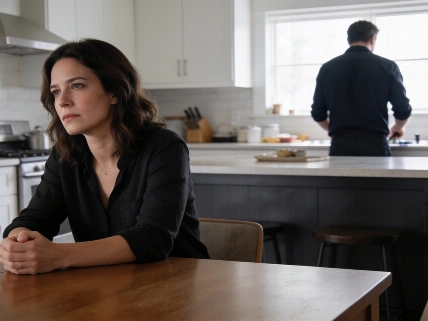


Rising divorce rates and shifting gender roles are forcing Americans to rethink what a healthy partnership looks like and how families actually function today
Scroll through any online forum about marriage and you’ll find a familiar refrain: the institution is broken, outdated, or even dead. Some point to divorce rates, others to the rise of single living, and many blame the collapse of traditional gender roles. But the reality is more complex—and more hopeful—than the headlines suggest.
It’s true that the old-school, patriarchal family structure is in crisis. The idea that a man must always be the breadwinner and a woman the homemaker feels increasingly out of step with how Americans actually live. Many couples now see their relationship as a joint project, not a fixed set of roles. This shift isn’t just about fairness; it’s about survival. When both partners contribute according to their strengths, families are more resilient and less likely to fracture under stress.
Consider the couple where the husband is a chef and runs the kitchen, while his wife handles the finances and car maintenance. Or the family where the wife’s career supports the household and her husband manages the home and kids. These aren’t exceptions—they’re becoming the rule. The only truly fixed role left is biological: who gives birth. Everything else is up for negotiation.
What keeps couples together now isn’t just love or habit. It’s the sense of building something bigger than either person could manage alone. Shared goals—whether raising children, launching a business, or supporting each other’s ambitions—create a sense of mission. When that mission fades, so does the glue holding the family together. That’s why so many marriages unravel after the kids leave home or a major life project ends.
Managing a modern relationship takes real work. It means dividing up not just chores, but emotional labor: who checks in on how everyone’s feeling, who keeps the peace, who plans for the future. The healthiest couples are honest about what they need and what they can give. They don’t cling to outdated scripts about who “should” do what. Instead, they adapt—sometimes daily—to what actually works.
Some critics argue that this flexibility leads to instability, or that it opens the door to arrangements that undermine the family. But according to Psytheater.com, the real threat is pretending the old rules still fit when they clearly don’t. As one recent analysis of marital breakdowns notes, “Many couples believe love is enough, but old family patterns, unspoken needs, and emotional habits often undermine even the strongest bonds.” (read more on hidden patterns that sabotage couples).
It’s not just about who does the laundry or who earns more. It’s about whether both partners feel valued, supported, and able to grow. When that balance tips—when one person gives and the other only takes—resentment builds. The exchange doesn’t have to be perfectly equal, but it does have to feel fair. Otherwise, the relationship becomes transactional in the worst sense, and the risk of separation rises.
Why do people still choose family at all, when living alone has never been easier? For many, it’s about having a partner in the truest sense: someone to share burdens, celebrate wins, and face challenges together. The best families aren’t held together by tradition or necessity, but by a shared sense of purpose and mutual respect.
Recent data from the U.S. Census Bureau shows that the percentage of married households has dropped from 70% in 1970 to just under 50% today, while the average age at first marriage continues to rise. At the same time, dual-income households have become the norm, and nearly 40% of women now out-earn their husbands. These shifts reflect not just economic changes, but a fundamental rethinking of what partnership means in American life.
Family therapy has evolved alongside these trends. Modern approaches focus less on enforcing traditional roles and more on helping couples identify shared values, communicate openly, and adapt to changing circumstances. Therapists often encourage partners to regularly revisit their “mission” as a couple, clarify expectations, and renegotiate responsibilities as life evolves. This flexible, collaborative mindset is now seen as a key factor in long-term relationship health.