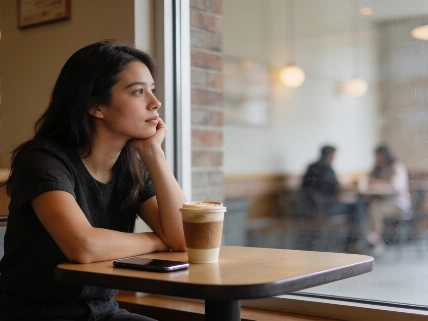

Many confuse being alone with being free—but the emotional reality is more complex
Freedom and loneliness often get tangled up in everyday talk, but they’re not the same thing. Loneliness is a state of emotional depletion—a sense of being cut off, isolated, or unneeded. Freedom, on the other hand, is about agency and comfort with yourself. The difference matters, especially when life throws you into situations where you’re suddenly on your own.
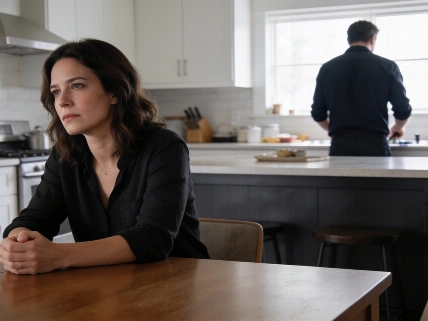
Take divorce. For some, it’s a loss that brings grief and a hollow ache. For others, it’s a release—a chance to breathe again, to make choices without someone else’s weight on their shoulders. The same event can feel like a prison or a door swinging open, depending on what’s happening inside you.
According to Psytheater.com, the first step if loneliness is weighing you down is to recognize that it’s normal to feel this way. It’s not a personal failing. Next, look at your social circle. Do you have friends, family, or acquaintances? If you do, but still feel empty, it may not be about the number of people around you. Sometimes, what’s missing is a sense of deep connection—a partner or confidant, not just company.
Don’t be afraid to reach out or expand your network. It’s possible to find like-minded people at any age, and women, in particular, often form strong, supportive groups. But if you’re still feeling alone, it’s worth asking: Is this discomfort with solitude coming from you, or from what you think others expect? What do you get from being with people that you can’t give yourself? Sometimes, the urge to fill the silence is more about social pressure than true desire.
It’s common for women to say they can’t find the right partner, but when you dig deeper, you may find they’re actually content on their own. They don’t have the energy or interest to let someone else in. In these cases, what looks like loneliness from the outside is actually freedom—a life lived on their own terms, without compromise or obligation.
Freedom isn’t about having no one around. It’s about choosing who you let in, and when. There’s no suffering in real freedom, no sense of lack. If you’re energized and at ease alone, that’s not loneliness—it’s autonomy. But if being alone feels heavy, if it drains you, that’s when it crosses into loneliness.
Learning to track your own emotions is key. Ask yourself: Am I truly lonely, or just alone? Do I want to change this, or am I chasing an illusion? Sometimes, the hardest part is being honest about what you actually want, not what you think you should want.
For those struggling to sort out these feelings, professional support can help. Therapy isn’t just for crisis—it’s a space to clarify what you need, what you value, and how to build a life that feels right for you, whether that means seeking new connections or embracing your independence.
In clinical psychology, the distinction between loneliness and solitude is crucial. Loneliness is linked to higher rates of depression, anxiety, and even physical health problems. Solitude, when chosen and enjoyed, can foster creativity, self-knowledge, and resilience. Therapists often help clients identify which state they’re in, and what steps—social, cognitive, or behavioral—might move them toward a healthier, more satisfying experience of being alone or with others.