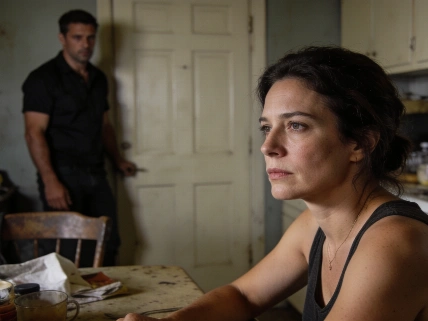


Many adults carry hidden pain from childhood neglect or trauma. A simple therapeutic exercise—writing a letter to your younger self—can offer real comfort and support during difficult times
For adults who grew up with emotional neglect or repeated childhood trauma, the sense of being alone in the world can linger for decades. One practical, research-backed way to address these old wounds is through a therapeutic exercise: writing a letter to your inner child. This approach, often used in therapy, helps bridge the gap between past pain and present resilience.
Take the case of Michael, a client in his early thirties. As a child, he was often left alone for hours while his parents socialized, sometimes even forgotten at daycare. These early experiences left him with a deep mistrust of others and a persistent sense of anxiety. Over time, Michael faced additional challenges—frequent moves, hostile classmates, and later, panic attacks and struggles with alcohol. Yet, through therapy, he discovered that writing to his younger self could offer a kind of support he never received as a child.
In his letter, Michael reassures his younger self that he is no longer alone. He acknowledges the fear and pain of being left behind, the dread that his parents might never return, and the loneliness that colored his early years. He describes how, as an adult, he learned to defend himself, manage panic attacks, and overcome addiction. He admits that even now, he sometimes feels a deep sadness in the evenings—a residue of childhood pain—but reminds himself that if he survived those early years, he can handle whatever comes next. He chooses not to blame his parents, recognizing that they too were shaped by their own difficult histories. Instead, he focuses on building a life filled with love, connection, and hope for the future.
Therapists note that the subconscious often responds to these letters as if the support were real, making the exercise a powerful tool for self-compassion and healing. Reading and rereading such a letter during tough times can help ground adults in the present and remind them of their own strength. According to Psytheater.com, this practice is especially helpful for those who struggle with trust, anxiety, or unresolved grief from childhood.
For those interested in exploring the emotional impact of childhood experiences on adult relationships, the article on navigating emotional maturity in partnerships offers further insight into how early wounds can shape our connections with others.
Recent studies show that expressive writing, including letter-writing exercises, can reduce symptoms of anxiety and depression by up to 30% in some participants. The American Psychological Association highlights that such interventions are most effective when combined with professional support, especially for those with complex trauma histories. While not a cure-all, these practices can be a meaningful step toward emotional recovery and greater self-understanding.
Attachment theory remains central to understanding how early relationships shape adult emotional health. Secure attachment in childhood is linked to better stress management, healthier relationships, and lower rates of anxiety and depression later in life. For those who missed out on this foundation, therapeutic exercises like writing to the inner child can help rebuild a sense of safety and belonging, offering a path toward healing that is both compassionate and practical.