A new wave of playful, quirky habits is helping young adults manage daily stress
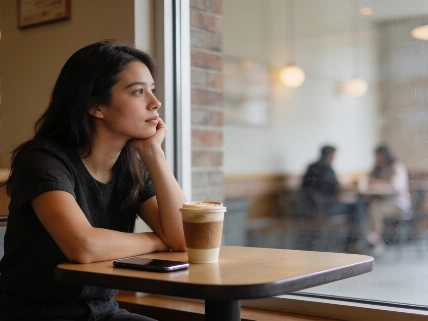
Across the U.S., a new trend is quietly reshaping how young adults cope with a world that feels increasingly unstable. Dubbed “whimsy,” this movement is less about fashion or aesthetics and more about a mindset—a deliberate embrace of playful, sometimes eccentric rituals that offer a sense of control when everything else feels up for grabs. According to The New York Times, the rise of whimsy is especially visible among Gen Z and younger millennials, who are navigating a landscape marked by economic uncertainty, global conflict, and shifting social norms.
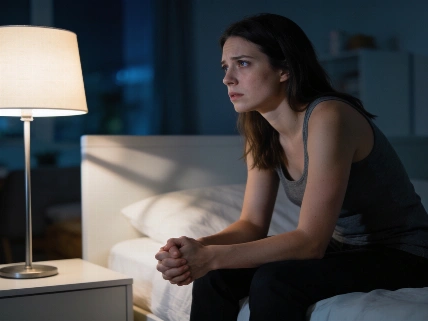
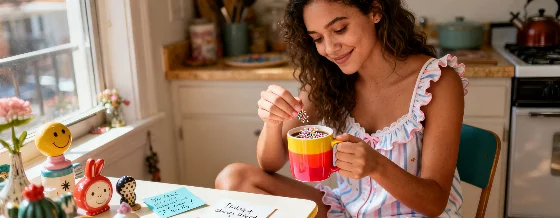
Whimsy isn’t just a style; it’s a coping mechanism. It shows up in small, intentional choices: wearing pajamas with ruffles to a morning meeting, brewing coffee with rainbow sprinkles, or swapping out the word “walk” for “stroll” in daily conversation. These acts aren’t random. They’re a way to reclaim agency, to inject a bit of lightness into routines that might otherwise feel heavy or monotonous. For many, these playful habits serve as a buffer against anxiety and the chronic stress that comes from living in a world where the next crisis always seems just around the corner.
Some see whimsy as a marketing ploy, a way for brands to sell quirky products to a generation hungry for comfort and self-expression. But for others, it’s deeply personal. Take a Los Angeles-based podcast host who credits her mood shift to the simple act of choosing a cheerful mug and a whimsical outfit each morning. Or a New York tech worker who, after being criticized online for his public dancing, doubled down on his eccentricity—eventually selling T-shirts and hats emblazoned with the phrase “Be More Whimsical.” These stories aren’t outliers. On platforms like Etsy, searches for “whimsical jewelry,” “whimsical decor,” and related items have jumped by 50% in the past year, reflecting a broader appetite for objects and rituals that feel both comforting and unique.
But whimsy isn’t just about things. It’s about how people structure their days. Sending handwritten postcards instead of texts, inventing new morning routines, or simply choosing to notice the odd and delightful details in everyday life—these are all ways young adults are pushing back against the pressure to be relentlessly productive or perpetually online. There’s a growing preference for offline experiences, for moments that can’t be captured or commodified by a smartphone screen. In a culture that often equates seriousness with maturity, whimsy offers a different path: one where playfulness is not just allowed, but necessary for emotional survival.
As the trend grows, it’s sparking debate. Some critics argue that whimsy is a distraction, a way to avoid confronting real problems. Others see it as a healthy adaptation, a form of self-care that doesn’t require a therapist or a prescription. What’s clear is that for many young adults, whimsy is more than a passing fad. It’s a lifeline—a way to carve out moments of joy and meaning in a world that rarely slows down.
In clinical psychology, rituals and routines are often recognized as stabilizing forces, especially for those dealing with anxiety or chronic stress. While not a substitute for professional care, small acts of intentional play can help regulate mood and foster resilience. The key is not the object or the ritual itself, but the sense of agency and presence it brings. For some, that might mean a quirky mug or a spontaneous dance in the park. For others, it’s the freedom to invent new ways of being—one whimsical moment at a time.
- Emotions in Life
- Psychological Support for Teens and Young Adults Growing Up
- Negative Mental States and Emotional Balance in Daily Life
- Feelings Emotions and Emotional Intelligence for Daily Life
- Everyday Psychology Practical Insights for Real Life Problems
- Self-Help Methods for Stress Anxiety and Emotional Recovery