

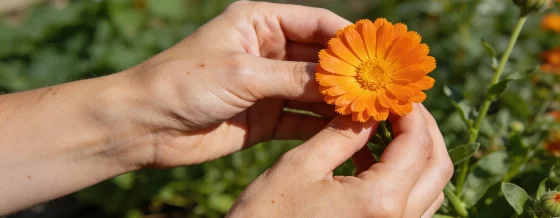
Calendula, a common orange flower, may help soothe dry, irritated skin at home
Between rows of tomatoes or tucked into a balcony pot, a bright orange flower often goes unnoticed. Calendula officinalis—better known as pot marigold—offers more than just a splash of color. Its petals are packed with compounds that can ease the tightness, chapping, and redness that come with dry skin. The phrase “calendula for dry skin” isn’t just a trend; it’s rooted in both botanical tradition and dermatological science. Whether used as an oil infusion, cream, or balm, this humble annual is finding its way into even the simplest skincare routines. While many people stock up on pharmacy creams, calendula sometimes grows for free right outside their door.
Once limited to rural flower beds, pot marigold is now a star ingredient in baby lotions and products for sensitive skin. Its blooms, which reach 12 to 28 inches tall, are rich in soothing and restorative compounds that help rebuild the skin’s barrier and hydrolipid film—especially after exposure to cold, hard water, or frequent washing. Used properly, calendula can supplement or even replace standard creams for dry patches on the face, body, or hands. But how does this small flower work, and how can you turn it into a safe, effective home remedy?
In the garden, calendula produces cheerful yellow-orange pom-poms from May until the first frost, thriving in full sun and well-drained soil. Its darker center and thick, vivid petals owe their color to carotenoids—antioxidant pigments. Highly attractive to bees and butterflies, calendula reseeds itself year after year, making it a simple, sustainable source of skin care for those with dryness issues.
The World Health Organization notes that calendula can be applied to minor wounds and mild skin inflammation—conditions similar to the cracks and irritation caused by dry skin. The European Medicines Agency’s herbal committee also recognizes its traditional use for skin irritation. Calendula contains triterpenes like faradiol, flavonoids, carotenoids, and polysaccharides, all of which help calm inflammation and support skin regeneration. Its benefits are often summarized as anti-inflammatory—reducing redness, itching, and tightness—and healing, by stimulating skin repair. That’s why it’s especially valued for sensitive, dry skin.
To make a homemade remedy, pick calendula flowers on a dry day when they’re fully open, then let them dry on a cloth for one to two weeks until crisp. To prepare a calendula oil infusion, fill a jar with dried flowers, cover with a gentle plant oil, and let it steep out of sunlight for three to four weeks before straining. A few drops applied to damp skin after a shower can soothe tight legs or rough hands. Always use externally, and test on the inside of your elbow if you have allergies to the aster family. If dryness comes with deep cracks or widespread lesions—especially in children—consult a doctor first.