
A single distressing hospital stay in early childhood can trigger lifelong anxiety around medical care, even in adulthood. Learn how early experiences shape our reactions to doctors and clinics
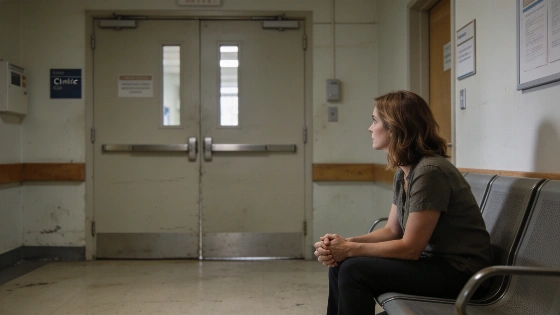
At 40, some people still dread walking into a hospital. For many, that fear isn’t about the procedures or the smell of antiseptic—it’s about something much older, rooted in childhood. A woman named Emily, now a professional in her forties, describes a wave of anxiety every time she faces a hospital visit. The trigger? Memories of being left alone in a pediatric ward at age five, scolded by nurses for an accident she couldn’t control. The shame and isolation from that experience never fully faded.
Psychologists see this pattern often. Early medical trauma—especially when a child is separated from parents and punished for normal bodily needs—can leave a deep imprint. At four or five, children are still learning to trust the world and regulate their bodies. When that trust is broken in a place meant for healing, the mind can lock in a sense of vulnerability and fear. Years later, even as adults, people may find themselves emotionally transported back to that powerless state the moment they step into a clinic.
This is called psychological regression. Under stress, the brain reverts to old coping strategies, even if they no longer fit the situation. The adult knows logically that a nurse won’t scold them now, but the body and emotions react as if danger is imminent. Hospitals become triggers, setting off a cascade of anxiety, shame, and even physical symptoms. According to Psytheater.com, these reactions are not signs of weakness—they’re the mind’s way of trying to protect itself from a threat it once couldn’t escape.
How Trauma Shapes Adult Behavior
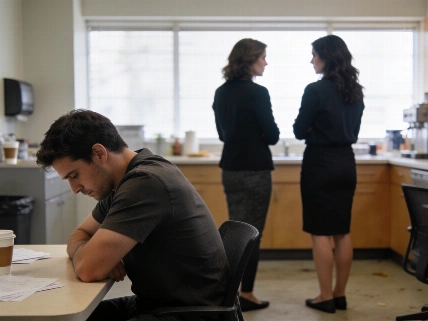
Unresolved childhood trauma doesn’t just fade with age. It can shape how people approach authority, handle stress, and even relate to their own bodies. Many adults who fear hospitals also report heightened anxiety in other institutional settings, or a chronic sense of being judged. The original wound—being punished for a basic need—can morph into a lifelong expectation of criticism or rejection.
Therapists emphasize that these patterns are not fixed. Recognizing the source of the fear is the first step. Some people benefit from cognitive reframing, breathing exercises, or gradual exposure to medical environments. Others find that working with a trauma-informed therapist helps them process the original event and build new, healthier responses. Avoidance, while understandable, often reinforces the cycle of fear.
For those who grew up with critical or emotionally distant caregivers, the impact can be even more pronounced. As explored in this discussion of setting boundaries with critical parents, early experiences of shame and judgment can echo throughout adult life, affecting not just medical anxiety but relationships and self-esteem as well.
When the Past Feels Present
It’s common for adults to feel embarrassed about these reactions. But the emotional brain doesn’t operate on logic or age. In moments of stress, old memories can override present reality, making a grown person feel as helpless as a child. This is especially true when new stressors—like illness, job loss, or family conflict—reactivate dormant vulnerabilities.
Experts recommend self-compassion and patience. Instead of criticizing yourself for feeling anxious, acknowledge the old wound and consider what that younger self needed but didn’t get: comfort, understanding, and reassurance. Sometimes, simply naming the fear and its origins can reduce its power. In more severe cases, trauma-focused therapy or psychoanalysis may be necessary to fully process and integrate the experience.
Research shows that up to 20% of adults report significant anxiety around medical settings, with childhood hospitalizations and negative healthcare experiences as major risk factors. The American Psychological Association notes that trauma-informed care in pediatric settings can reduce the risk of long-term psychological harm, highlighting the importance of empathy and support for young patients.
Understanding the roots of medical anxiety can help people seek the right support and break the cycle of avoidance. With time and the right approach, it’s possible to reclaim a sense of safety—even in the places that once felt most threatening.
Trauma-focused therapy is a specialized approach that helps individuals process and resolve distressing memories from the past. Techniques like Eye Movement Desensitization and Reprocessing (EMDR), somatic experiencing, and psychodynamic therapy are commonly used to address childhood medical trauma. These methods aim to reduce the emotional charge of old memories, allowing people to respond to present situations with greater calm and confidence. Access to trauma-informed care is expanding in the U.S., with more clinics and therapists trained to recognize and treat the lingering effects of early adverse experiences.