
When a husband leaves after decades together, the shock can upend daily life. Emotional fallout, family strain, and the struggle to move forward often collide with grief, anger, and the urge to hold on
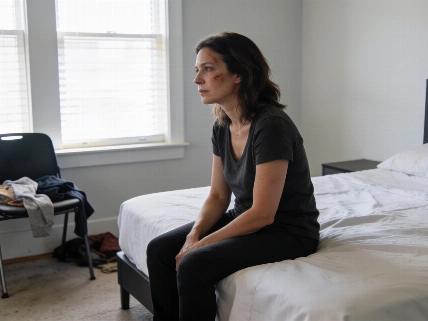
Thirty-three years of marriage. A daughter who always looked up to her dad. A grandson he once couldn’t wait to meet. Then, one day, the marriage simply broke. For many women, the end doesn’t come as a single event but as a slow unraveling—distance, arguments, a sense that something is off. For Linda, 55, the confirmation came when she saw her husband walking down the street with another woman and a dog. He didn’t come home for three days. When he did, the house filled with accusations and anger. He blamed her for tracking him. She accused him of betrayal. After another fight, he packed a bag and left.
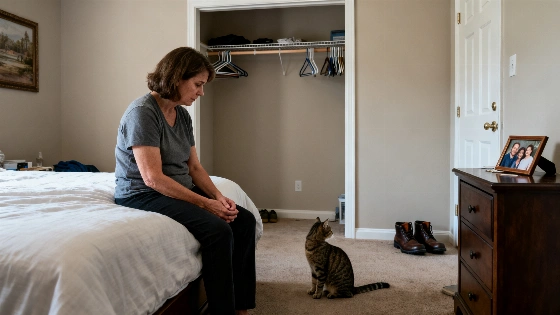
He still comes by, sometimes, to pick up a few things. He calls about their shared business, but never about their life. The silence is heavy. Linda finds herself waiting, crying, unable to accept what’s happened. She’s on antidepressants now, just to get through the day. The house is full of reminders—his clothes, his books, the cat that only ever wanted him. Their daughter barely hears from him. He stopped by on Easter, dropped off two dyed eggs from his new home, and left after ten minutes. The sense of abandonment is sharp. How can a man become a stranger to his own family so quickly?
According to Psytheater.com, the pain of losing a long marriage is real and deep. Medication can help with the worst of the symptoms, but it doesn’t solve the core problem: the need to grieve, to accept, to find a way forward. When a partner leaves, the mind clings to hope, replaying memories, searching for signs that things could go back to the way they were. But the reality is often more complicated. Sometimes, the signs of distance and disregard were there all along, just easier to ignore when life was busy and routines were set. Letting go of the fantasy—of the perfect marriage, the ideal partner—can be the first step toward healing.
Therapists often recommend more than just medication. Individual or group therapy can offer a lifeline, especially for those who feel isolated in their grief. Sharing space with others who have lived through similar losses can make the pain less lonely. Behavioral activation—doing things before you feel ready, rediscovering old interests, or trying new ones—can help break the cycle of waiting and longing. It’s not about forcing yourself to move on, but about giving yourself a chance to see what life looks like when you’re not defined by someone else’s choices.
It’s also practical: pack up his things, reclaim your space, ask a friend or family member to help if it feels too hard to do alone. The urge to freeze, to keep everything as it was, is normal. But as long as you’re holding on to the hope that he’ll walk back through the door, you’re putting your own life on hold. The future is uncertain—he may never return, and you may not want him back if he does. But the only way to find out is to start living for yourself again.
Family estrangement after a breakup can leave everyone reeling. Sometimes, as in cases where adult children struggle with shifting family roles, the fallout isn’t just between spouses but ripples through generations. The work of healing is rarely quick or easy, but it starts with facing the truth of what’s happened and allowing yourself to grieve what’s been lost.
When a long-term relationship ends, the emotional impact can mimic symptoms of depression or even trauma. While antidepressants may help with mood and sleep, they are not a substitute for therapy or social support. Cognitive behavioral therapy (CBT) and group counseling are evidence-based approaches that can help individuals process loss, challenge unhelpful thought patterns, and rebuild a sense of self outside the relationship. For many, the hardest part is accepting that the past cannot be changed—and that the future, while uncertain, is still theirs to shape.