Leaving a foot outside your blanket at night may help your body cool down and ease you into sleep
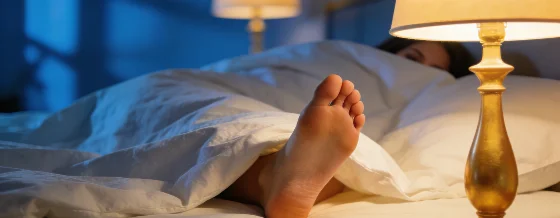
It’s a familiar scene: you’re tucked in, cozy under the covers, but at some point, one foot sneaks out into the cool air. This small, almost unconscious move isn’t just a quirky habit—it’s a physiological trick your body uses to help you fall asleep.
As bedtime approaches, your body needs to cool down by about one degree Fahrenheit to trigger the natural sleep process. This drop in core temperature signals your brain that it’s time to rest. By exposing a foot to the air, you speed up heat loss, making it easier for your body to reach that sleep-ready state.
The Science Behind the Foot-Out Habit
Our bodies are wired to seek out comfort and stability, especially when transitioning from wakefulness to sleep. During this phase, your system works to shed excess heat. Sticking a foot out from under the covers is a simple, often unconscious way to help this process along. It can reduce nighttime restlessness and make it easier to settle into deep sleep.
When your internal clock signals that it’s time for bed, your body temperature naturally starts to drop. This cooling is paired with a rise in melatonin, the hormone that helps regulate sleep. The more efficiently your body can lose heat, the smoother your transition into deep, restorative sleep.
Why Do We Overheat at Night?
It’s easy to get too warm under heavy bedding or in a stuffy room. When heat gets trapped, your body struggles to regulate its temperature, leading to sweating, discomfort, and even waking up in the middle of the night. Overheating can disrupt your sleep cycle and leave you feeling groggy the next day.
On the flip side, feeling chilly right before you fall asleep is actually a good sign. As your body prepares for rest, blood vessels in your skin widen to release heat, while deeper tissues constrict slightly. This can make your hands and feet feel cool, but it’s all part of the process that helps you drift off.
The Role of Your Feet in Temperature Control
Your feet are uniquely equipped to help regulate body temperature. Packed with blood vessels and connected to your cardiovascular system, they act as natural radiators. When you let a foot dangle outside the covers, it acts like a thermal valve, releasing heat quickly and efficiently.
The soles of your feet are especially effective at this. They’re hairless and contain a dense network of blood vessels and special connections between arteries and veins. This setup allows heat to escape rapidly when your feet are exposed to cooler air, helping your whole body cool down faster.
Experts like Dr. Gerald Kierzek and psychologist Natalie Dautovitch, as reported by Doctissimo and the National Sleep Foundation, note that letting your feet cool off at night supports your body’s natural thermoregulation and can make falling asleep less of a struggle.
Tips for Cooling Down at Bedtime
If you want to help your body cool down for sleep, try these strategies: let a foot peek out from under the covers, crack a window for fresh air, or switch to lighter bedding. The goal is to avoid trapping heat, which can lead to tossing and turning or waking up sweaty.
Other helpful habits include keeping your bedroom around 65°F, choosing breathable sheets, taking a lukewarm shower before bed, and avoiding late-night workouts that can raise your core temperature. These steps, combined with the foot-out trick, can set the stage for deeper, more restful sleep.
Most adults sleep best when their bedroom is between 60 and 67°F. In this range, your body can cool down naturally, blood flow to the skin increases, and your internal thermostat works smoothly all night long.
If you’re too hot to sleep, try sticking out a leg or foot, using a fan, sipping cool water, and wearing lightweight pajamas. The aim is to lower your temperature enough to fall asleep comfortably, without getting chilled.
Sleeping Without a Blanket: Is It Better?
Some people find that ditching the blanket altogether during hot weather helps them sleep better, as it allows their bodies to cool off more easily. Others need at least a light cover to feel secure. The key is to find what makes you comfortable and supports a steady sleep cycle.
According to Doctissimo, these small adjustments—like letting a foot escape the covers—are backed by science and can make a real difference in how quickly and soundly you fall asleep.