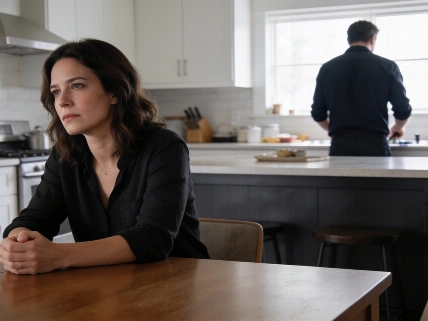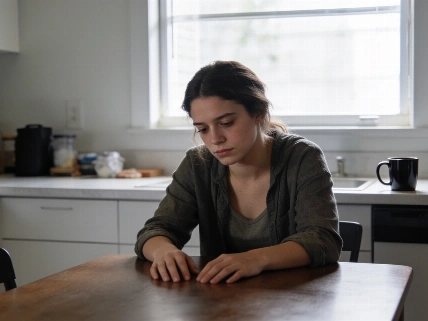
Daily power struggles, endless refusals, and constant pushback can leave parents drained
“No!” “I won’t!” “I know better!” If you’re a parent, you’ve probably heard these words more times than you can count. The daily grind of arguing over jackets, toys, or bedtime routines can leave even the most patient adults feeling worn down and questioning their parenting skills. But according to Psytheater.com, stubbornness in children isn’t always about defiance or a desire to make life harder for adults. More often, it’s a child’s way of asserting independence, testing boundaries, and trying to gain a sense of control over their world.
Stubborn behavior tends to peak during two key phases: the toddler years (ages 2–5) and adolescence. In both periods, kids are working hard to separate their identity from their parents, make their own choices, and figure out what’s allowed. For example, a child who refuses to put on a jacket—even after asking for it minutes earlier—may not be acting out of spite. Instead, they want to feel that the final decision is theirs, not just something imposed by an adult.
Why do some kids dig in their heels more than others? The roots of stubbornness are varied. Overly strict control, constant prohibitions, lack of attention, fatigue, emotional overload, developmental transitions, and a strong drive for autonomy can all play a role. Ironically, the more parents push, threaten, or escalate, the more a child may double down on their “no.” Power struggles can quickly become a daily pattern, with both sides feeling frustrated and unheard.
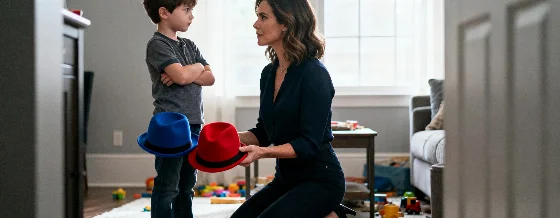
So what actually helps? First, offer choices whenever possible. Instead of barking, “Put on your hat now,” try, “Would you rather wear the blue hat or the gray one?” This small shift gives kids a sense of agency while still moving things forward. Second, keep your cool. Yelling rarely works and often makes kids more defensive. If your child resists cleaning up, say, “I see you don’t feel like picking up right now. Let’s do it together.”
Third, avoid endless debates. Some children will argue for hours if given the chance. State the rule calmly and stick to it: “We brush our teeth before bed every night.” No need for threats or drawn-out explanations. Fourth, praise cooperation. Kids respond better to attention for positive behavior than to constant criticism. Even a simple, “You got ready so fast today—nice job,” can reinforce the behavior you want to see.
Finally, pay attention to your child’s basic needs. Stubbornness often spikes when kids are tired, hungry, or emotionally overloaded. In those moments, even simple requests can feel overwhelming and trigger resistance. Remember, most stubborn kids aren’t trying to make your life miserable. Their behavior is usually driven by big feelings, a need for independence, and a desire to be heard. If daily battles escalate into frequent meltdowns, aggression, or ongoing conflict, it may be time to consult a child psychologist. A professional can help uncover the underlying causes and offer strategies that don’t rely on yelling or punishment.
When parents feel outmatched, child therapists can provide support and practical tools for managing stubborn behavior. Many offer consultations via phone or messaging, making it easier to get help when you need it most.
Stubbornness in children is not a diagnosis or a disorder. It’s a normal part of development, especially during times of rapid growth or change. But when it becomes a chronic source of stress for families, professional guidance can make a real difference. Therapists often focus on building communication skills, teaching parents how to set limits without power struggles, and helping kids express their needs in healthier ways. Early intervention can prevent patterns from becoming entrenched and help restore a sense of calm and connection at home.