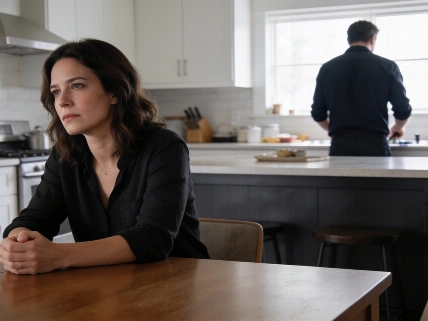

You share a home and routines, but real connection fades. Subtle signs of emotional distance can signal deeper trouble in a relationship
You live together, share chores, coordinate schedules, and talk about groceries. But lately, it feels like you’re just roommates—sometimes even when you’re sitting side by side on the same couch. There’s conversation, but no real contact. You catch yourself thinking, “We’ve become strangers.” That realization can leave you hollow and confused, wondering where the closeness went and how things got so far off track.
Stories like this come up constantly in therapy offices. According to Psytheater.com, the phrase “we’ve become strangers” rarely points to a single cause. More often, it’s the result of several overlapping patterns that quietly erode intimacy over time.
Sometimes the drift is gradual. You get tired, postpone real conversations, and start keeping your worries to yourself because “there’s already enough to do.” Eventually, you avoid tough topics to sidestep arguments, and one day you realize your exchanges are limited to logistics and reminders. The emotional core of the relationship has gone quiet.
Other times, a major stressor—like the birth of a child, job loss, a move, or the death of a loved one—can shatter closeness overnight. All your energy goes into coping, and there’s nothing left for each other. Or maybe a long-running conflict pushes you both into silence, each person deciding it’s safer not to speak than to risk another fight.
There’s also the scenario where people change, but the relationship doesn’t keep up. One partner grows, shifts values, or gets restless with routine. The other sticks to old patterns, not noticing the growing gap. Instead of navigating change together, you drift further apart.
How do you know when intimacy is slipping away? Watch for these signs: you stop sharing the details of your day—not because nothing happened, but because “they won’t get it” or “they don’t care.” Conversations shrink to errands and obligations: “Pick up milk,” “Pay the bill,” “Get the kids.” It feels easier to text than to talk face-to-face. You avoid honest conversations for fear of criticism or indifference. Even when you’re together, you’re both lost in your phones—not just distracted, but hiding from the emptiness between you.
So what can you do to rebuild closeness? First, admit there’s a problem. Don’t dismiss your loneliness as “just how it is for everyone.” If you miss real connection, that matters. Start small. You don’t need a dramatic “state of the union” talk. Try saying, “Sometimes I feel like we don’t really hear each other anymore, and that makes me sad.”
Make space for real conversation. Choose a time when neither of you is rushed or exhausted. Speak about your own feelings, not in accusations: not “You never listen,” but “I feel alone when we go all evening without talking.” Bring back small rituals of closeness—a shared breakfast, a walk, ten minutes without screens before bed. Not to check a box for “good relationships,” but to remember what it’s like to be present together.
If old hurts, unspoken resentments, or sheer exhaustion are blocking you, consider seeing a therapist. Sometimes it’s hard to untangle these knots as a couple. A professional can help you find a way to talk that feels safe again. And if you’re struggling with the way your identity is tied to your role at home or work, it may help to read about how losing yourself in one area can affect your relationships—like in this piece on the hidden crisis of work becoming your whole identity.
Intimacy isn’t a fixed trait you either have or don’t. It’s a process—sometimes easy, sometimes demanding, always requiring attention and honesty. If you notice yourself missing your partner, that’s not a sign of failure. It’s a signal to pause and ask what needs to change.
Relationship therapy in the U.S. has evolved to address not just crisis moments, but the slow erosion of connection that many couples face. Modern approaches often focus on communication patterns, emotional safety, and rebuilding trust through small, consistent actions. Therapists may use structured exercises to help partners notice and shift habits that keep them apart. The goal isn’t to return to an idealized past, but to create a new sense of closeness that fits who you are now. Even when change feels awkward, the process itself can be a turning point.