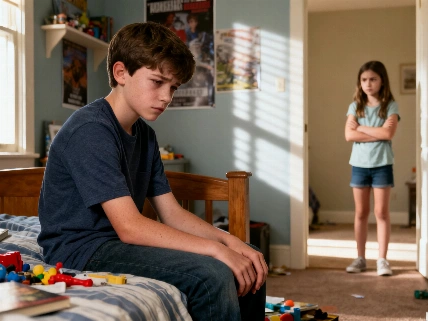


A 14-year-old questions why she feels disgusted by boys while classmates rush into relationships. A psychologist explains why this reaction is not a disorder and why resisting peer pressure is often a sign of maturity
At 14, some girls feel nothing but annoyance when classmates talk about crushes. One girl sits through the chatter, unmoved. She feels disgust, not butterflies. Her friends pair off. She wants no part of it. The pressure to join in is everywhere. She wonders if something is wrong with her.
This isn’t rare. Many teens feel out of sync with their peers, especially about romance. The urge to fit in can be strong. Those who don’t join the crowd get called “late bloomers” or worse. Some even hear the word “frigid.” She’s heard it too. She doesn’t know what it means, but it worries her.
According to Pew Research, 64% of American teens aged 13–17 have never had a romantic relationship or been on a date.
The facts are simpler than the rumors. Clinical psychologists say not wanting romance at 14 is normal. “Frigidity” is an old term. It never applies to teenagers. It’s a label for adult women with ongoing sexual problems, not for teens still growing up. There’s a wide range of normal. Some teens fall for classmates. Others feel nothing but irritation. Both are fine.
Early teen relationships rarely mean real intimacy. Most of the time, it’s about copying older siblings or chasing status. Some just want to avoid being left out. The psychologist says many teens rush into dating because they feel insecure or want to belong. It’s not about true feelings. The girl’s refusal to join in isn’t a problem. It shows she knows herself.
Peer pressure can be harsh. Teens who don’t date may get teased or pitied. But holding your ground takes guts. As reported earlier, giving in to pressure can lead to regret and emotional pain that lasts. The psychologist urges teens to trust their instincts. Wait until you’re ready. Don’t follow someone else’s script.
The World Health Organization defines adolescence as the period from 10 to 19 years old, emphasizing that this is a stage of intense physical, emotional, and social development. The absence of romantic interest at 14 is not considered unusual or a diagnosis.
Sometimes, it’s not about boys in general. It’s about the boys around her. Not every group has appealing options. Some classmates act in ways that push others away. Experts say the answer is simple. Listen to your own boundaries. Don’t force yourself into situations that feel wrong. There’s no set timeline for attraction. Trying to fake feelings only leads to confusion.
This story makes one thing clear. Growing up isn’t a race. The best path is your own. Teens who wait often make better choices later. They avoid heartbreak and build real self-respect. The psychologist is blunt. Not wanting a boyfriend at 14 is normal. Knowing your own mind is strength. The idea that everyone must feel the same way at the same time is a myth. The real risk? Ignoring your own limits.
Adolescent development is messy. Biology, environment, and personality all play a part. Romantic feelings show up at different times for everyone. Some feel them early. Others much later. Some never do. What matters is giving teens room to figure themselves out without shame. When adults support this, teens build healthier relationships—with others and with themselves.