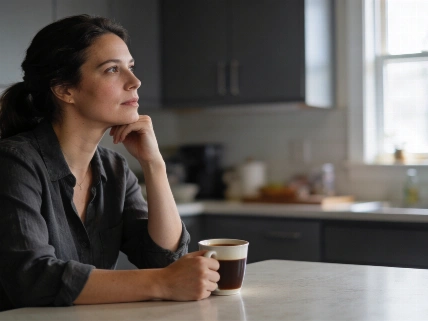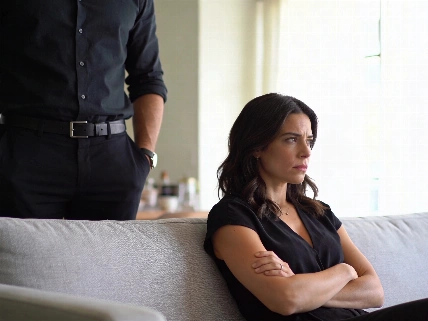
Too much self-analysis can leave you feeling stuck, anxious, and disconnected from real life.
In today’s culture, self-understanding is often treated as the ultimate solution. We’re surrounded by books, podcasts, personality tests, and endless therapy sessions, all repeating the same promise: “Figure yourself out, and everything will fall into place.” But what if the deeper you dig, the more lost you feel?
There’s a paradox that rarely gets discussed: excessive self-reflection can actually cloud your path instead of clarifying it. The more you analyze your reactions, trace your fears, and map out your patterns, the more questions seem to multiply. Each answer spawns a dozen new uncertainties. Instead of clarity, you find yourself wandering a mental maze. It’s easy to get stuck in your own head, where every impulse is scrutinized and second-guessed.
When self-reflection isn’t paired with action, it can fuel anxiety. You start to fear not just what happens around you, but your own thoughts about those events. Instead of living, you’re explaining. Intellectualizing emotions creates a false sense of control: if you can name a feeling, you think you can manage it. But in reality, you’re just layering words over a living, breathing experience that resists endless commentary.
The biggest misconception? Insight doesn’t always lead to change. You might be able to describe your wounds in detail, list your triggers, and quote experts—yet still find yourself stuck in the same place for years. The brain gets a dopamine hit from each “aha” moment, tricking you into thinking you’ve made progress. But your nervous system doesn’t transform through analysis alone. Over time, constant self-examination leads to exhaustion. Your mind tires from holding everything under a microscope that was meant to simply flow.
Breaking this cycle often means moving in a new direction—not digging deeper, but taking action. Sometimes, the answer isn’t more understanding, but a single step forward. Not in perfect conditions, not with total certainty, but just enough to disrupt inertia. Your body remembers how to act when your mind is tangled in “what ifs.” A walk without headphones, a spontaneous meet-up, a new hobby, or hands-on work—anything that brings you back to the present—can be more effective than hundreds of hours of self-analysis.
Self-knowledge is a tool, not an end in itself. Like any tool, it can become dangerous if misused. Psychological maturity begins when we learn to let go of the urge to control every inner mechanism and trust life enough to move forward. Sometimes, the deepest understanding comes not when we’ve sorted everything out, but when we put down the magnifying glass and take that first uncertain step.
With respect, practical and family psychologist Elena Nikolaevna Shugaeva. Online sessions available.
To book an appointment: Max, tel. 89379678435. Telegram: @elena_shugaeva1 Vk: