Songs can trigger deep emotional responses and expose hidden patterns in how we cope
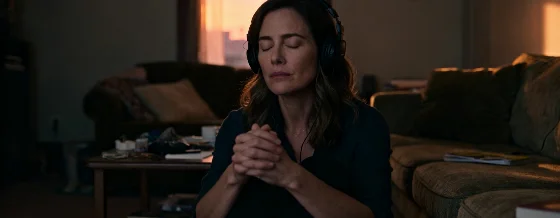
Music is more than melody and lyrics. For many, a song becomes a vessel for pain, longing, hope, or the kind of inner conflict that rarely finds words. According to Psytheater.com, the real power of music lies in its ability to bypass our rational defenses and tap straight into emotional memory. The same verse can reflect a dozen different stories, each shaped by the listener’s own history. What you hear in a song often says as much about your inner world as it does about the artist’s intent.
Take Mona’s “Воин и дракон.” Through a psychoanalytic lens, the song’s imagery—fire, storm, warrior, dragon—becomes a map of emotional states and internal battles. The fire that “burns inside” and the storm that “won’t quiet down” echo what therapists call unprocessed affect: raw, bodily emotion that hasn’t yet become thought. In clinical terms, these are the moments when grief, despair, or helplessness erupt physically, before we can name them. The song doesn’t heal, but it gives shape to what might otherwise eat away at us from within.
Internal Battles
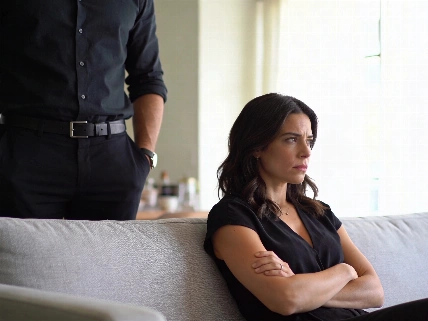
When the lyrics search for a path back to someone—“I’m looking for a way to you and can’t find it”—they capture the hope of restoring connection, the urge to fix what’s lost. But the path remains elusive. This is a familiar pattern in therapy: the drive to control outcomes, even when reality has slipped beyond our grasp. The song’s central figures, the warrior and the dragon, can be read as two people in a relationship, but psychoanalytically, they’re often two sides of the same person.
The warrior is the part that fights, believes, and refuses to give up. Sometimes it’s fueled by the illusion of control, but it’s also what keeps us moving. The dragon, meanwhile, is the instinctive protector—fierce, loyal, sometimes angry, but always guarding something vital. When both cry out that “the world can’t exist without love,” it’s a rare moment of internal alignment. Usually, these parts are at odds: logic versus feeling, defense versus openness, struggle versus surrender. When they unite, even briefly, there’s a glimpse of wholeness.
Love and Rescue
The song’s imagery of a “heart with thorns” and “kisses as medicine” exposes the thin line between loving and rescuing. Thorns are classic defenses: tenderness is there, but so is the fear of being hurt. “It’s hard for you to hold my heart” admits that real closeness is demanding, and not everyone is up for it. The next lines—“don’t drown in the void,” “my kisses are your cure”—reveal a common trap. Love becomes a mission to save, to pull someone from darkness. In therapy, this often signals codependency: the urge to rescue at the cost of your own identity. The more you give, the more you risk losing yourself. The lyric “I see myself as a shadow in the mirror” is the price—self fades as the rescue mission takes over.
Healthy love respects boundaries. It says, “I’m here, but your choices are yours.” Codependent rescue takes on burdens it can’t carry, and suffers when reality doesn’t match the fantasy. The song doesn’t shy from this pain: “Ready to lose myself” isn’t always noble sacrifice. Sometimes it’s desperation to keep a bond alive, no matter the cost.
Loyalty and Choice
Later verses touch on inherited loyalty and the weight of family legacy—“nobility in my veins,” “I became a rider instead of a scribe.” These lines speak to the unconscious ways we carry forward our parents’ unfinished business, their traumas and missions. In therapy, it’s common to see people fighting battles that aren’t really theirs, driven by a sense of duty or unresolved family pain.
The shift from scribe to rider is crucial. The scribe observes, records, stays safe in reflection. The rider acts, risks, and meets reality head-on. This is the move from passive analysis to active choice. “If I don’t give up, we win”—here, “we” is not just a couple or a team, but the many parts of the self finally working together.
Reflection
Music rarely gives answers. Instead, it asks questions we already carry. Which image hits you first—the fire, the storm, the thorns, the shadow, or the voice that says “we win”? Where in your life does the warrior fight and the dragon protect? Have you ever turned love into a rescue mission? What did you give up, and what did you lose? When do you choose to act, and when do you stay on the sidelines? Each choice has its own cost and reward.
Psychoanalysis isn’t about finding the one true reading. It’s about making space for ambiguity, for pain and hope to coexist, for thorns and kisses to belong to the same heart. If a song like “Воин и дракон” stirs something deep, maybe it’s not about the lyrics at all. Maybe it’s an invitation to listen to yourself—or to let someone else listen, without rushing to fix or explain.
For those drawn to this kind of self-exploration, psychoanalytic therapy offers a place to map these inner landscapes, to notice where your story meets the music, and to find language for what’s been silent.
In therapy, the concept of “internal parts” has gained traction, especially in approaches like Internal Family Systems (IFS). This model sees the mind as made up of different sub-personalities or “parts,” each with its own motives and fears. Recognizing and integrating these parts—rather than fighting or denying them—can help people move from inner conflict to greater self-understanding. Songs that echo these dynamics can be powerful tools for reflection, not just for comfort but for real insight.