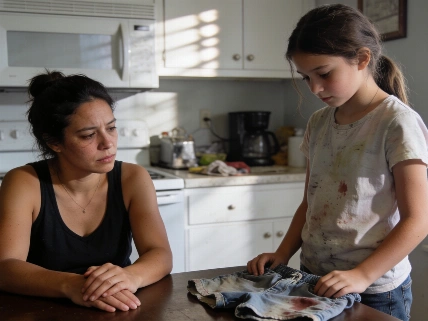


Many parents see their children get upset when wishes go unmet. Experts explain how to help kids handle disappointment and develop resilience without shielding them from reality
Every parent has watched a child’s face fall when something they hoped for doesn’t happen. For some, these moments pass quickly. For others, the disappointment lingers, sparking frustration or even guilt in the adults nearby. According to Psytheater.com, learning to manage these reactions is a crucial part of growing up—and of parenting.
It’s natural to want to protect your child from pain. But when a nine-year-old is devastated that a wish didn’t come true, the urge to fix everything can backfire. Shielding kids from every letdown robs them of the chance to develop coping skills. Instead, experts recommend letting children experience their feelings, even if the cause seems minor to adults. This is how kids learn to process setbacks and adapt to reality.
Parents often wonder if their child’s reaction is too intense. Is it just sadness, or something more disruptive? If a child’s disappointment throws off the family’s daily rhythm, it’s worth pausing to reflect. Sometimes, the parent’s own discomfort—feeling responsible for unmet wishes—can amplify the situation. Recognizing this dynamic helps adults respond with empathy, not overcompensation.
Letting a child sit with disappointment isn’t about teaching resignation. It’s about helping them see that not every desire can be fulfilled, and that’s part of real life. The process builds emotional flexibility. Over time, children learn to distinguish between fleeting wishes and actionable goals. They also start to brainstorm alternatives, a skill that will serve them well as challenges grow more complex with age.
One practical approach is to talk through examples with your child. Why was a particular wish unrealistic? What other options might exist? The goal isn’t to provide a list of solutions, but to encourage creative thinking. This keeps the conversation open and gives the child agency in finding their own path forward. It’s also important to discuss the difference between a wish and a goal, and how to handle setbacks in a healthy way.
Staying calm and steady as a parent is key. Children look to adults for cues on how to react. If you remain supportive but don’t rush to erase every disappointment, you become a reliable anchor—not a magic wand. This approach helps kids build confidence in their own ability to cope, rather than expecting the world to bend to their desires.
Research from the American Psychological Association shows that children who develop coping strategies early are better equipped to handle stress and frustration later in life. In fact, studies indicate that resilience skills learned before adolescence can reduce the risk of anxiety and depression by up to 30%. These findings highlight the long-term value of allowing kids to face manageable disappointments in a supportive environment.
For parents navigating these moments, it can help to remember that disappointment is a universal experience. Even adults struggle when reality doesn’t match their hopes. The key is not to eliminate frustration, but to guide children in responding to it constructively. As families work through these challenges, they may find parallels with other situations—such as the ongoing anxiety many parents feel during major life transitions, as explored in this article on coping with anxiety after maternity leave.
Building resilience in children is an ongoing process. It requires patience, honest conversations, and a willingness to let kids experience the full range of emotions. By supporting them through disappointment, parents lay the groundwork for stronger mental health and greater adaptability in the years ahead.
Understanding the difference between a wish and a goal is central to emotional development. A wish is often passive—a hope for something to happen. A goal, by contrast, involves planning and effort. Teaching children to set realistic goals, break them into steps, and accept setbacks as part of the process can foster a growth mindset. This distinction is a cornerstone of many evidence-based parenting and therapy approaches, and it helps children build the resilience needed to thrive in a world that rarely delivers everything we want.