When a parent’s thrill-seeking hobby becomes a family issue, experts weigh the psychological risks and benefits of letting a child skydive before adolescence
When a parent is passionate about skydiving, it’s not unusual for that excitement to spill over at home. But what happens when a father wants his 11-year-old son to join him for a tandem jump? For many mothers, the idea triggers alarm—risk, stress, and the question of whether a child can truly consent to such an experience.
According to Psytheater.com, even when a child seems eager, the underlying motivation often deserves a closer look. Is the child genuinely interested, or is he trying to win approval from a parent he admires? At 11, kids crave adult validation and may not have the maturity to assess real danger. They might say “I want to” but lack the language or confidence to admit fear or uncertainty.
There are potential upsides if the jump is handled with maximum safety. A successful tandem skydive can boost a child’s self-esteem, create a powerful shared memory with a parent, and help a child learn to manage anxiety in a controlled setting. But the risks are not just physical. Excessive stress, especially for anxious or hesitant kids, can leave a mark. There’s also the risk of teaching that “bravery” means taking unnecessary risks to earn love or respect.
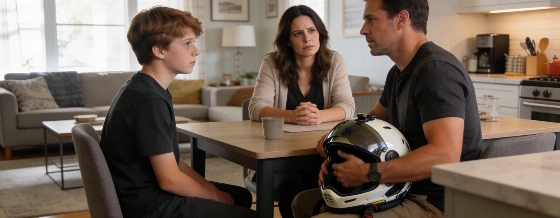
Before making a decision, parents need to separate their own desires from their child’s. Experts recommend a private conversation with the child—without the enthusiastic parent present. Ask questions like, “If Dad were disappointed, could you still say no?” or “Are you excited about the jump itself, or about making Dad proud?” If the child hesitates or seems motivated by obligation, it’s a sign to pause.
Safety and Consent
Any consideration of skydiving for a minor must start with strict adherence to legal and safety standards. Most U.S. skydiving centers set a minimum age—often 16 or 18—for tandem jumps, and require parental consent and medical clearance. Parents have the right to demand proof of club licensing, instructor certification, weather protocols, and insurance coverage. If a partner resists these checks, it’s worth reminding them that due diligence is about responsible parenting, not distrust.
Psychological preparation is just as important. The child should know that backing out is always an option, and that their worth isn’t tied to whether they jump. Phrases like “be a man” or “don’t chicken out” are off-limits—they turn a family experience into a test of love or masculinity, which can be damaging.
Family Dynamics
Conversations about risk often become battlegrounds for parental values. One parent may see skydiving as a source of joy and bonding, while the other sees only danger. Starting the discussion with acknowledgment—“I see how much this means to you”—can lower defenses. Setting boundaries and conditions for any possible jump keeps the conversation rational and focused on the child’s well-being.
It’s also important to recognize that children sometimes internalize the idea that pleasing a parent is more important than their own comfort or safety. This dynamic can echo in other areas of life, as explored in articles like how to break the cycle of living to please your parents.
Numbers and Context
According to the United States Parachute Association, in 2022 there were approximately 3.5 million skydives nationwide, with a fatality rate of about 0.28 per 100,000 jumps. While tandem skydiving is statistically safer than solo jumps, the risk is never zero. Most clubs will not allow children under 16 to participate, and reputable centers require both parents’ written consent for minors.
Skydiving is not just a physical risk—it’s a psychological one, especially for children. The decision should be based on the child’s true readiness, not parental enthusiasm or family pressure. Open communication, clear boundaries, and respect for a child’s autonomy are essential for any high-stakes family adventure.
Childhood risk-taking is a complex topic in developmental psychology. Research shows that moderate, age-appropriate challenges can foster resilience and confidence, but exposure to overwhelming stress or adult-level risk can have the opposite effect. Parents are encouraged to support their children’s growth by offering choices, modeling healthy risk assessment, and prioritizing emotional safety alongside physical safety.