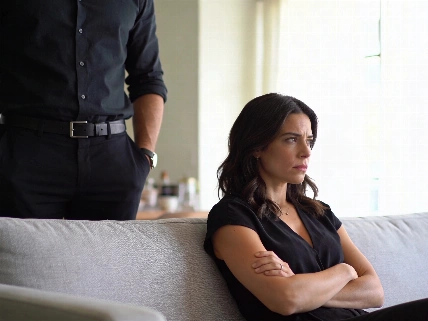
Constantly worried your partner will leave you? This pattern is more common than you think
It’s a scenario that plays out in therapy offices and late-night conversations across the country: the persistent, gnawing fear that someone you care about will suddenly walk away. For many, this anxiety isn’t just a passing worry—it’s a chronic state that shapes how they approach relationships, intimacy, and even daily life. According to Psytheater.com, this pattern is so widespread that it’s become a recognizable script in the world of emotional health.
One of the most common roots of this fear is early attachment experience. If a child grows up with unpredictable caregiving—sometimes warm, sometimes distant, sometimes present, sometimes gone—their mind learns to scan for signs of instability. The result is a deep-seated belief that love is fragile, easily lost, and impossible to predict. This is the classic anxious attachment style: always on alert, always questioning, never quite sure if affection will last. The adult who carries this pattern may find themselves constantly checking for reassurance, reading between the lines, and bracing for the moment when love disappears.
But attachment history isn’t the only factor. There’s also the internal tug-of-war between craving closeness and fearing it. The more someone matters, the more terrifying it feels to risk losing them. To manage this tension, people often become hyper-vigilant—monitoring their partner’s moods, trying to anticipate needs, smoothing over conflicts before they start. The hope is that if they’re careful enough, attentive enough, they can prevent abandonment. Yet this strategy rarely brings lasting relief. The anxiety is internal, not external, and no amount of control can fully quiet it. At best, there’s a brief sense of calm before the cycle starts again.
For some, the fear of being left becomes so familiar it fades into the background—a constant hum of tension that feels like the normal state of things. Over time, this chronic anxiety can become so exhausting that the mind starts to crave resolution, even if it’s painful. In some cases, people may unconsciously provoke the very outcome they dread, just to end the waiting. It’s not that they want to be abandoned; it’s that the certainty, however harsh, feels easier to bear than endless uncertainty. The mind prefers any definite answer, even a painful one, over the torment of not knowing.
This cycle can be hard to break, especially for those who’ve never experienced stable, reliable love. Without that foundation, it’s easy to fall into familiar patterns—choosing partners who reinforce old fears, replaying the same emotional script, and bracing for loss even before it happens. The result is a self-fulfilling prophecy: the very behaviors meant to prevent abandonment can end up pushing people away, confirming the original fear.
Understanding the roots of abandonment anxiety is a first step, but it’s rarely enough on its own. Therapy can help untangle these patterns, offering a space to build new ways of relating and to experience the kind of stability that was missing early on. For many, the work is slow and sometimes painful, but it’s also the path toward relationships that feel less like a minefield and more like a place to rest.
Attachment theory has become a cornerstone of modern psychology, especially in understanding how early relationships shape adult emotional life. Anxious attachment, in particular, is linked to patterns of hyper-vigilance, emotional reactivity, and difficulty trusting that love will last. While not a clinical disorder, it can drive significant distress and relationship conflict. Many therapists use attachment-informed approaches to help clients recognize these patterns, develop self-soothing skills, and gradually build trust in themselves and others. The process is rarely linear, but with time and support, it’s possible to move from chronic anxiety to a more secure sense of connection.