
A mother faces daily battles as her 14-year-old daughter skips school, drinks, and curses
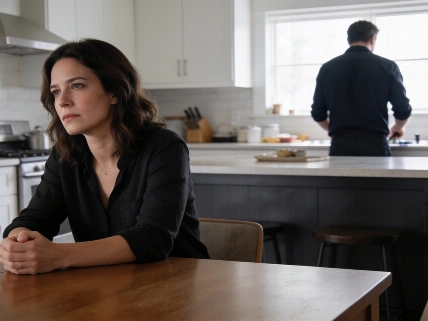
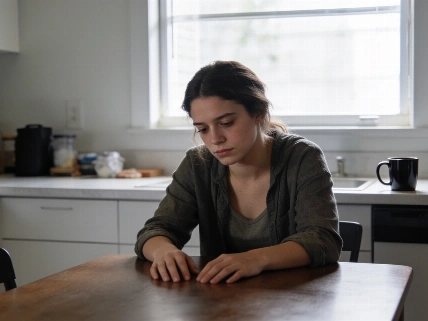
Maria, 36, never imagined her home would feel like a battleground. Her 14-year-old daughter has started skipping school, drinking, smoking, and using language Maria never allowed in the house. After a recent back surgery, Maria asked her daughter to keep up with schoolwork and help out. Instead, the girl ignored every agreement, fueling arguments that left Maria exhausted and unsure where to turn.
According to Psytheater.com, Maria’s story is not rare. Many parents of teens find themselves blindsided by sudden defiance, risky behavior, and a total disregard for house rules. The shift often feels abrupt, but psychologists say it’s a predictable—if painful—part of adolescence. Hormonal changes, a drive for independence, and a need to test boundaries can turn even a previously cooperative child into a stranger overnight.
Maria wonders if she should call child protective services or simply endure the chaos. The emotional toll is real. She describes feeling bullied in her own home, unsure if she’s helping or enabling. The fear of making the wrong move—being too strict, too lenient, or missing a cry for help—keeps her up at night. For parents in similar situations, the line between discipline and support can blur fast.
Psychologist Jamila Kashapova, who specializes in adolescent behavior, explains that conflict is almost inevitable during these years. Teens push back against authority as they try to carve out their own identity. But that doesn’t mean parents should give up. Setting clear, consistent boundaries is crucial, even when it feels like nothing gets through. Kashapova recommends seeking professional help if the situation escalates or if communication breaks down entirely. Therapy can offer a neutral space for both parent and child to be heard—and sometimes, that’s the first step toward rebuilding trust.
Experts also point out that adolescence is a phase, not a permanent state. The chaos and rebellion won’t last forever, though it can feel endless in the moment. What matters most is the relationship that survives on the other side. Parents who manage to hold boundaries while showing empathy often find their kids return, changed but still connected. For Maria, the challenge is to weather the storm without losing herself—or her daughter—in the process.
For those seeking guidance, psychologists suggest reading up on adolescent development and family dynamics. Books that focus on communication, boundary-setting, and emotional regulation can help parents understand what’s happening beneath the surface. But no book replaces the value of real support, whether from a therapist, a support group, or trusted friends who’ve been through it before.
Adolescent rebellion is not a diagnosis, but it can mask deeper issues like depression, anxiety, or trauma. If a teen’s behavior shifts suddenly or becomes dangerous, it’s important to look beyond the surface. Professional assessment can help distinguish between normal growing pains and signs of something more serious. Early intervention can make a difference, especially when family relationships are strained to the breaking point.