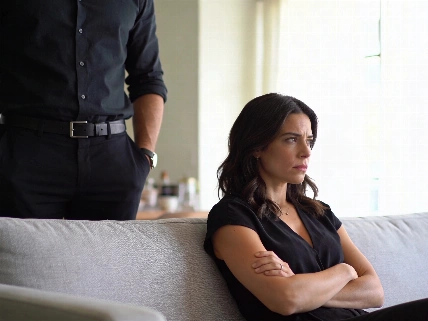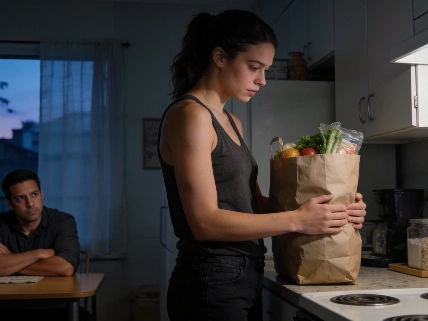

Many women struggle to form lasting relationships despite success elsewhere. Is there a hidden psychological barrier holding them back from intimacy and commitment
The idea of a “singlehood curse” sounds like superstition, but for many women, the struggle to build lasting relationships feels all too real. As a family therapist with over two decades of experience, I see patterns that go far beyond bad luck or timing. The so-called curse is not magic—it’s a set of deep-rooted psychological barriers that can quietly sabotage intimacy, often without the person realizing it.
Consider the case of Emily, a 32-year-old professional thriving in her career but unable to sustain a serious relationship. Dates fizzle, connections stall, and she’s left wondering if something invisible is working against her. This scenario is common, and it’s rarely about fate. Instead, it’s about unresolved emotional conflicts, often shaped by family history, childhood experiences, or past relationship trauma.
One of the most common roots is inherited family patterns. If a woman’s mother or grandmother repeatedly voiced distrust of men or marriage, those beliefs can echo for generations. For example, if Emily’s grandmother insisted, “It’s better to be alone than with the wrong person,” that message may have shaped her mother’s choices—and now, Emily’s. Even without conscious awareness, these scripts can drive avoidance of commitment or self-sabotage when intimacy grows.
Another frequent barrier is unfinished business from previous relationships. Emotional ties to an ex—whether longing, resentment, or unresolved anger—can block new connections. If someone is still comparing every new partner to a first love or nursing wounds from betrayal, it’s nearly impossible to build trust with someone new. The emotional energy remains stuck in the past, making healthy attachment in the present feel risky or impossible.
Trauma from past relationships can also leave lasting scars. Experiences of infidelity, emotional abuse, or even subtle patterns of disrespect can create a protective shell. Women who have been hurt may unconsciously avoid closeness, fearing a repeat of old pain. This can show up as distrust, hypervigilance, or a tendency to end things before they get serious. According to Psytheater.com, these patterns are not destiny, but they do require conscious effort and often professional support to change.
It’s important to recognize that these issues are not unique to women. Men face similar struggles, though the social pressures and expectations may differ. Each person’s story is unique, and there’s no one-size-fits-all explanation. As explored in this analysis of how childhood pressure shapes adult relationships, the roots of emotional barriers often run deep and require careful, individualized attention.
Research from the American Psychological Association shows that family-of-origin issues and unresolved trauma are among the top predictors of relationship difficulties. In a 2023 survey, 61% of single adults reported that past negative experiences influenced their current approach to dating and commitment. Therapy focused on family systems and trauma recovery has been shown to improve relationship satisfaction and increase the likelihood of forming lasting bonds.
Family therapy is a specialized approach that examines the influence of generational patterns, communication styles, and emotional roles within families. By identifying and addressing these dynamics, individuals can break free from inherited scripts and develop healthier ways of relating. This process often involves exploring early attachment experiences, challenging internalized beliefs, and learning new skills for emotional regulation and trust-building. While progress can be gradual, the benefits extend beyond romantic relationships, improving overall well-being and resilience.