Adults who were hit as kids often struggle with guilt, anger, and unfinished emotional pain
For many adults who grew up with physical punishment, the past doesn’t stay in the past. The urge to forgive parents who hit them—sometimes with a belt, sometimes with open hands, sometimes until they blacked out—can feel like a moral obligation. But the reality of forgiveness is far more tangled than most advice columns suggest.
Take Mark, 43, who’s lived on his own for decades. He’s dissected his father’s history, understood the cycles of violence, and rationalized the choices his dad made. Yet, even after his father’s funeral, Mark felt nothing. No tears, no relief, just a numbness that wouldn’t budge. He tells himself he should forgive, but the word itself feels hollow. How do you forgive someone who left bruises on your body and scars in your memory? What does forgiveness even mean in this context?
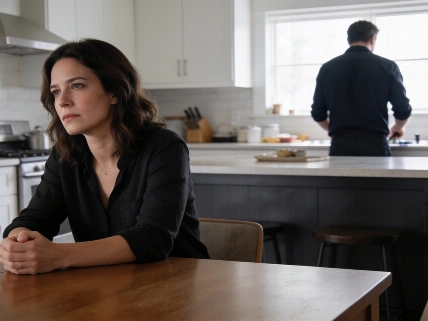
For others, the pain is fresher. Christina’s parents are still alive. They call on holidays, ask why she visits so rarely, and act as if nothing happened. Christina was beaten until she lost consciousness. She can’t bring herself to pretend it never happened, but talking about it feels terrifying and pointless. Cutting off contact only adds guilt to the mix. She’s read about letting go “for your own sake,” but every time her parents’ number flashes on her phone, her body tenses. The trauma lives in her nervous system, not just her mind.
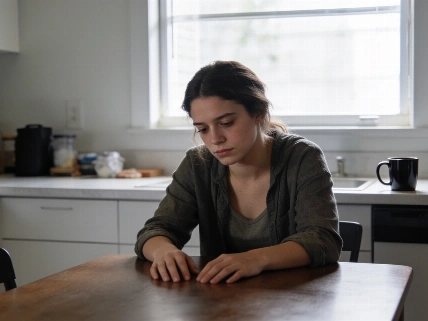
Then there’s Maria, who minimized her own experience for years. Her mother never punched her, but slaps, hair-pulling, and backhanded blows were routine. Maria convinced herself it wasn’t “real” abuse—just strict parenting. But as an adult, she noticed she flinched at sudden movements and froze during arguments. Her body, she realized, had never forgotten. The impact of childhood violence isn’t just a bad memory; it’s a pattern etched into the body’s reflexes and the brain’s threat response. That’s why intellectual understanding alone doesn’t heal the wound. The trauma is physical, not just psychological.
The Limits of Understanding
Forgiveness, as it’s often described, is misunderstood. It’s not about declaring what happened was “okay,” nor is it about restoring relationships or erasing the past. It’s not a scheduled milestone you can check off. True forgiveness is when the pain stops dictating your life. When memories lose their sting. When you can think about your parents without your body recoiling. This isn’t a decision—it’s the result of deep work, often with a therapist, to process what happened on a bodily level.
According to Psytheater.com, methods like EMDR, hypnosis, and guided imagery can help people revisit traumatic episodes—not to relive them, but to finally experience safety, closure, and the right to feel anger and pain. Working with the internal image of a parent is also crucial. When all you feel toward that inner parent is disgust or hurt, you end up rejecting a part of yourself. The goal isn’t to forgive for their sake, but to stop fighting with yourself.
Maria eventually allowed herself to feel anger—real, unfiltered anger—without rationalizing or minimizing. She got mad at what happened, at how much it hurt, and at the years she spent pretending it didn’t matter. Once the anger surfaced, something shifted. It wasn’t forgiveness in the traditional sense, but the pressure inside eased. The pain had finally been acknowledged.
Living With the Past
For Christina, the process is ongoing. The question of how to interact with her parents remains unresolved. Therapy focused first on processing the trauma—working through the body’s memory, the pain, the fear that still flares up at the sound of their voices. As that work progressed, the question changed from “How do I force myself to talk to them?” to “What do I actually want, and what feels safe for me?” No one is obligated to maintain contact with those who caused them harm, even if they’re family. Christina is still figuring it out, but the panic that used to grip her at every phone call has faded. That’s progress.
Mark discovered his anger wasn’t just for his father. He was furious at himself for not fighting back, for being afraid, for loving his father even during the worst moments. That self-directed anger was the hardest to face. But once it was out in the open, something changed. He didn’t start loving his father, but the wound stopped festering. That’s what forgiveness can look like—not a conscious choice, but a release.
Names and details have been changed. Stories are shared with client consent.
If you grew up in a home where you were hit and still feel unresolved pain, you don’t have to be ready to forgive or even know what you want. Sometimes, just wanting things to be different is enough to start.
One year from now, you could still be carrying the same pain and unanswered questions—or something inside you could shift. Not because you decided to forgive, but because the hold of the past finally loosened.
For those seeking help, therapy that addresses the body’s memory—such as EMDR or somatic approaches—can be especially effective for processing childhood trauma. These methods focus on helping the nervous system complete the stress response that was interrupted during the original events. Over time, this can reduce the emotional charge of memories and help people reclaim a sense of safety in their own bodies.