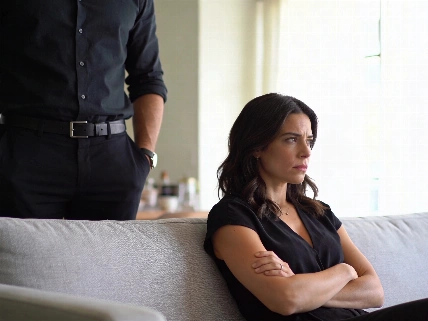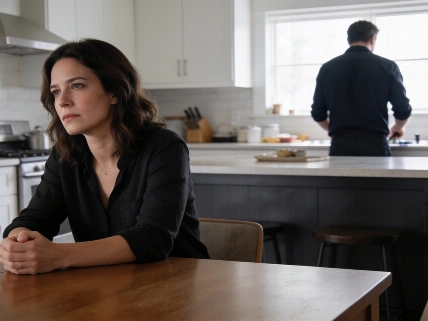

Cheating isn’t always about sex or thrill. Subtle patterns in relationships can quietly set the stage
Open any mainstream psychology site and you’ll see the usual suspects blamed for infidelity: sexual frustration, craving excitement, revenge, or low self-esteem. These explanations are not wrong, but they barely scratch the surface. The deeper drivers of cheating are rarely discussed—often because they force couples to confront uncomfortable truths about the structure of their relationship, not just the state of their sex life or communication skills.
According to Psytheater.com, three overlooked patterns often set the stage for emotional or physical affairs. Each is rooted in the daily reality of long-term relationships, and each is more about unmet psychological needs than about lust or boredom.
The Role Trap
Over time, couples tend to lock each other into fixed roles: one is always the strong, reliable problem-solver; the other, the nurturing or steady presence. This arrangement can make life easier, but it also stifles growth. When one partner tries to show a new side—vulnerability, uncertainty, or even ambition—they may be met with confusion or rejection. The fear of being seen as “not the person I married” can be paralyzing.
Consider a man who’s been the family’s rock for 15 years. Burned out, he wants to admit he’s struggling, but his wife recoils: “What’s wrong with you? Pull yourself together.” Instead of risking her disapproval, he finds someone else who lets him be weak. The affair isn’t about sex; it’s about having a safe space to be his full self. Research from the University of Denver in 2021 found that couples with rigid role expectations are 63% more likely to experience emotional infidelity than those with flexible roles.
Breaking this cycle means experimenting with small changes—sharing a new vulnerability, asking for advice, or expressing a different opinion—and seeing if your partner can accept it. If not, the problem isn’t you; it’s the relationship’s inability to adapt.
Empathy Deficit
Many couples talk, but few truly listen. When one partner shares daily struggles or anxieties and the other responds with half-hearted advice or quickly shifts the focus, it sends a clear message: your inner world doesn’t matter here. Over time, this erodes intimacy. The person who feels unheard may find themselves drawn to someone who simply listens—no advice, no judgment, just attention.
Take a woman working remotely while raising two kids. Every night, she tries to share her work stress with her husband, but he brushes it off or changes the subject. She starts confiding in a coworker who listens for 40 minutes straight. The emotional spiral begins. A 2022 study found that couples where one partner routinely ignores the other’s daily experiences are four times more likely to face emotional infidelity within two years.
Improving this dynamic isn’t about scheduling more date nights. It’s about creating a daily ritual—ten minutes of undistracted listening, no advice or interruptions allowed. If your partner can’t or won’t do this, it’s a sign of a deeper disconnect.
When Dialogue Dies
The most dangerous pattern is when one partner declares, “This is how it is, and it’s not up for discussion.” Whether it’s about sex, money, or time with friends, the refusal to negotiate signals the end of real partnership. The other person may try to push back, but after years of hitting a wall, they give up. Leaving isn’t always an option—kids, finances, or fear of loneliness keep them in place. So they build a parallel life, often through an affair, just to feel heard and seen somewhere.
One man, married for 25 years, was told by his wife that sex would only happen on Saturdays, in one position, and never be discussed. He suggested therapy and compromise; she refused. He didn’t want to leave, but he needed a space where his needs mattered. According to a 2023 YouGov poll, 28% of people who cheated in long-term marriages cited “no say in relationship rules” as their main reason—more than dissatisfaction with sex or falling in love with someone else.
If you recognize yourself as the partner who’s given up, try writing down three alternative rules and asking your partner to respond in writing. If they refuse, you’re not in a relationship—you’re in a system with fixed rules. At that point, the only real choices are to leave or accept a parallel life.
What Now?
If you suspect your relationship is vulnerable to these patterns, start with honest self-assessment. Ask yourself: What role does my partner never let me shed? When was the last time they listened with real curiosity? Is there any topic that’s been off-limits for years?
Next, try a direct conversation—not about cheating, but about the underlying issues. Say, “I’ve noticed I’m closing off and seeking understanding elsewhere. That worries me. Can we talk about what’s really going on?” If your partner dismisses your concerns, that’s your answer.
If nothing changes, find safe spaces outside the relationship—friends, therapy, creative groups—where you can be yourself. Lower your expectations for emotional connection if your partner can’t meet you there. And if you’re stuck in a system where nothing is negotiable, consider whether staying is worth the cost.
For prevention, audit your relationship’s flexibility every six months. Ask, “What rule here feels outdated? Can we reinvent it together?” If that question sparks panic or anger, it’s a warning sign you shouldn’t ignore.
Infidelity is rarely just about sex or thrill-seeking. It’s often a symptom of deeper, chronic patterns that go unaddressed for years. Facing these patterns head-on is uncomfortable, but it’s the only way to prevent the slow drift toward betrayal.
Couples therapy can help partners break out of rigid roles, rebuild empathy, and reopen closed lines of communication. A skilled therapist will focus on the underlying patterns, not just the surface conflict. Therapy isn’t a guarantee, but it offers a structured space to experiment with new ways of relating—and to decide, together or alone, what comes next.