Many adults mistake chronic loneliness for a lack of social contact, but the real struggle often lies in how we see ourselves and interpret our own worth
In therapy, I often meet people who say they feel alone, but what sits beneath their words is rarely just a lack of friends or partners. Instead, it’s a private, corrosive belief: If no one is around, maybe I’m not worth anyone’s attention. That thought, more than the absence of company, can hollow out a person from the inside.
It’s a pattern that doesn’t announce itself with drama. It creeps in quietly, often after a string of disappointments or a slow drift from meaningful connection. The mind starts to loop: If I mattered, someone would notice. If I had value, I wouldn’t be this isolated. Over time, the pain of that belief can eclipse the pain of being alone itself.
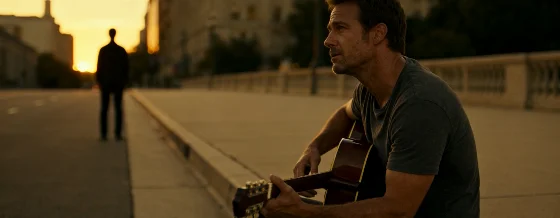
To illustrate this, let’s consider a story that echoes what I see in real lives. Picture a musician who, for years, played his guitar on the same city street. His music once filled the air, drawing smiles, glances, and applause. Even when the sidewalk was empty, he felt a response inside—a sense that his music mattered, if only to himself. But lately, something shifted. He kept showing up, fingers moving over the strings, but the music no longer resonated within. The notes came out flat, the joy gone. He began to wonder if anyone cared about his music—or about him at all.
One evening, as dusk settled, he noticed a stranger standing nearby. The man didn’t speak, didn’t move, just listened. When their eyes met, the stranger finally spoke. The musician couldn’t recall the words later, but something in the exchange reached a part of him he’d forgotten. It was as if the stranger’s presence tuned the strings inside him that had long been silent. For the first time in months, the musician felt a flicker of his old spark. He played again, and the music returned—not for applause, but because it was his.
Many people who struggle with loneliness describe a similar numbness. They keep reaching for connection, but the feedback loop is broken. The more they try and fail, the more convinced they become that the problem is them. This cycle can be brutal, especially for those who once felt deeply engaged with the world. According to Psytheater.com, the pain of feeling unseen can be more damaging than the absence of relationships themselves.
It’s easy to assume that more socializing or new relationships will fix the ache. But for many, the real work is internal—relearning how to hear their own music, to value their own presence, even when no one else is listening. Sometimes, it takes just one person who truly listens to break the cycle. Other times, it’s a slow process of rebuilding self-trust and self-worth, note by note.
For those who find themselves stuck in this pattern, it can help to look at how identity and self-esteem are shaped by external validation. In fact, the struggle to separate self-worth from outside approval is a common thread among people who tie their identity to their work, relationships, or public roles. As explored in this analysis of identity loss among professionals, the risk is not just burnout, but a deeper erosion of self that can leave anyone feeling invisible—even in a crowd.
If you recognize yourself in these patterns, know that you’re not alone. The path back to feeling alive inside often starts with small acts of self-recognition. Sometimes, it’s about letting someone else witness your struggle without judgment. Other times, it’s about giving yourself permission to play your own music, even if no one else is listening yet.
Therapists often help clients untangle the roots of chronic loneliness by exploring the difference between social isolation and emotional disconnection. While building new relationships can be part of recovery, the deeper shift comes from learning to value your own experience, independent of others’ reactions. This process can involve techniques from person-centered therapy, mindfulness, or narrative work, all aimed at restoring a sense of inner resonance. For many, the first step is simply acknowledging the pain—and the possibility of change.