Many Americans feel isolated in the evenings—here’s how intentional solitude can help
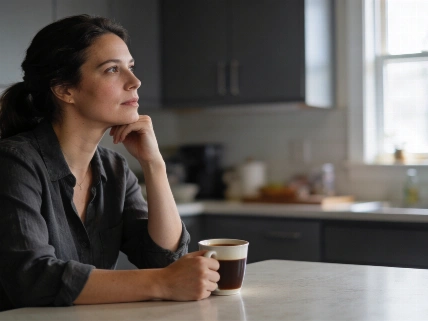
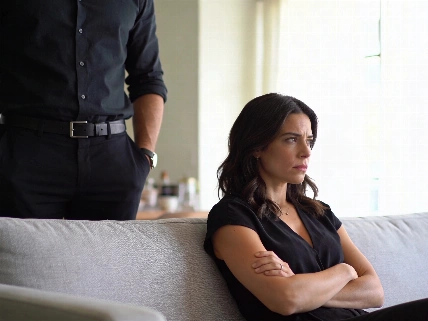
Spending an evening alone can feel like a social failure, especially in a culture where constant digital connection is the norm. Recent surveys show that nearly a quarter of Americans report feeling deeply lonely, while over half say they experience some degree of isolation. This sense of disconnection is real, but it’s not the whole story. For some, time alone is a chance to reset and find clarity. The difference isn’t in circumstance—it’s in how we approach being alone.
The key is shifting from unwanted isolation to what psychologists call “chosen solitude.” This means deliberately setting aside time to connect with yourself, away from others and from screens. Researchers like Weinstein, Hansen, and Nguyen describe this as a state of tuning into your inner world. Studies by Rodriguez, Pratt, Bellet, and McNally suggest that people who intentionally reframe their alone time report more positive emotions and greater well-being. In this way, solitude becomes an internal resource, something to draw on during tough times.
Solitude vs. Isolation
Being alone is a physical state; feeling lonely is an emotional one. According to Psychology Today, time spent alone is neutral—it can be empty and draining, or it can be restorative. When solitude is filled with thoughts like “no one wants me,” it tips into isolation. But when it’s treated as a meeting with yourself, it can spark curiosity, calm, and self-trust. The difference is subtle but crucial.
Solitude becomes a warning sign when days pass without any desire to see others, when energy drops, or when hopelessness creeps in. In these cases, talking to a mental health professional is important, as chronic isolation raises the risk of depression. For most people, though, learning to interpret alone time as a human need—not a flaw—can reduce guilt and help balance solitude with meaningful social connections.
Benefits for Well-Being
Psychologist Thuy-vy Nguyen has found that just 15 minutes of quiet withdrawal can lower emotional intensity. Other research shows that intentional solitude helps regulate mood and clear the mind, making it easier to handle stress. In these moments, the body and mind recover more quickly from daily pressures.
Solitude also supports creativity. A 2017 study found that people generate more original ideas when they spend time alone. Garza and colleagues link solitude to better emotional regulation. Time spent in nature—by water or in the woods—has been shown to reduce stress and build psychological resilience, according to Rodriguez, Bellet, and McNally.
Simple Rituals for Support
To make evenings alone more supportive, try replacing some screen time with a personal check-in. Even 15 minutes without your phone, whether at home or in a park, can help you breathe, notice your thoughts, and treat yourself with the same kindness you’d offer a friend. According to a U.S. survey cited by Psychologies.com, over half of respondents consider these moments essential for their mental health.